By the RAAD team
The Best GPS Tracker Is the One That Fits Your Fleet
Listen to this article
Anyone shopping for GPS trackers this year will notice that the old certainties have gone. Devices are plentiful, prices are competitive and almost everything works on paper. The hard part is no longer finding technology; it is choosing what fits. The rest of this article covers how to judge fit, and where the long-term decision actually sits.
The buying question has changed
For years, telematics procurement started with one question: which tracker brand do we standardise on? That question is going away. Fleets now run mixed hardware, often installed at different times by different suppliers. Newer vehicles increasingly arrive with factory-fitted connectivity that nobody in the operations team chose. And the badge on the box rarely explains why one deployment works while another frustrates. Fit explains it: how well the device, the connectivity and the software match the way the operation actually runs.
What separates a good tracker from a disappointing one
Across very different fleets, the same few qualities show up wherever operators are happy with what they installed:
- A device that reports consistently, day after day, beats a feature-rich one with occasional gaps. In tracking, boring and reliable wins.
- Availability where you operate matters: local supply, clear documentation, supported firmware and the right certifications. This matters even more when your vehicles cross several countries.
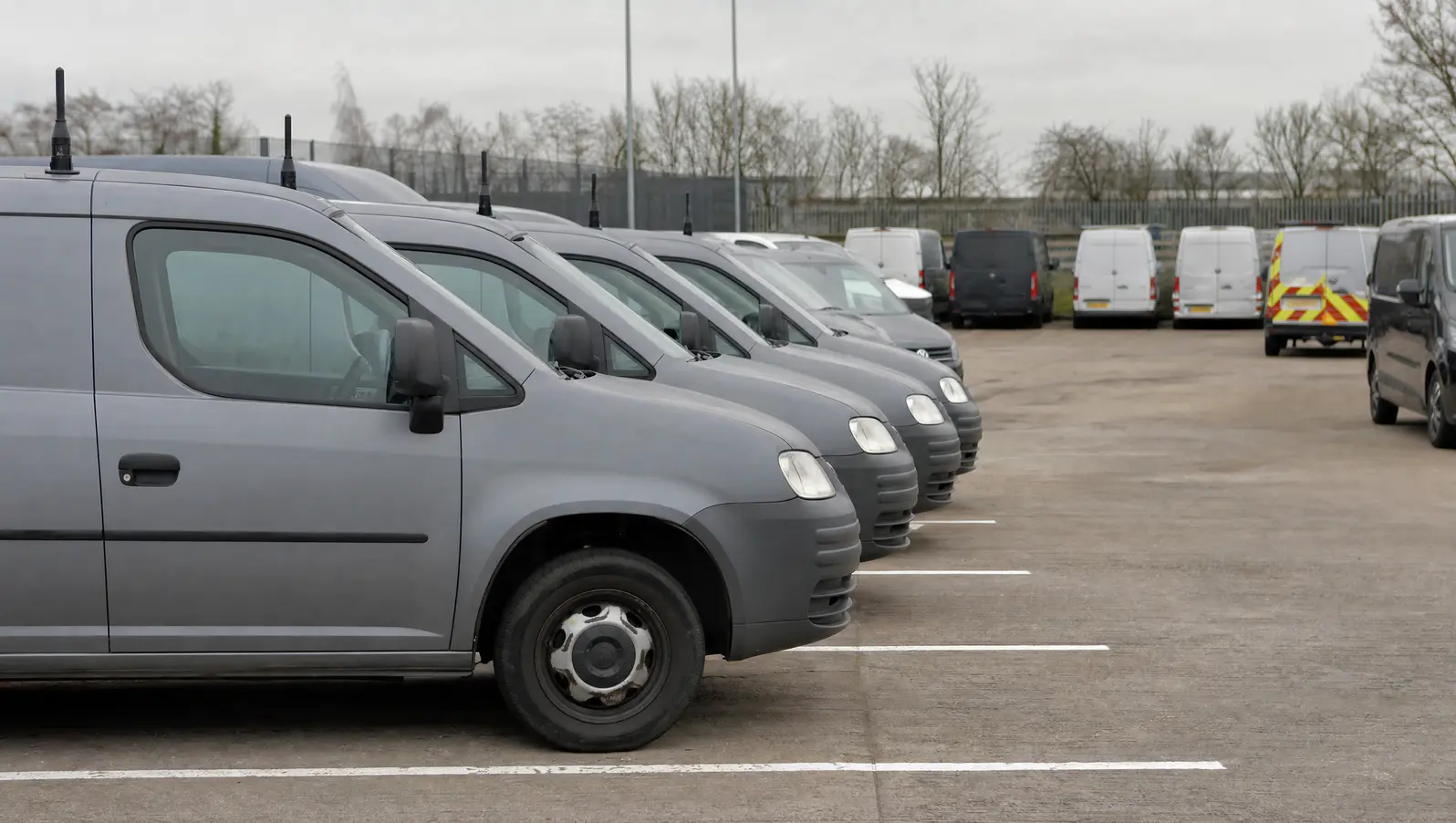
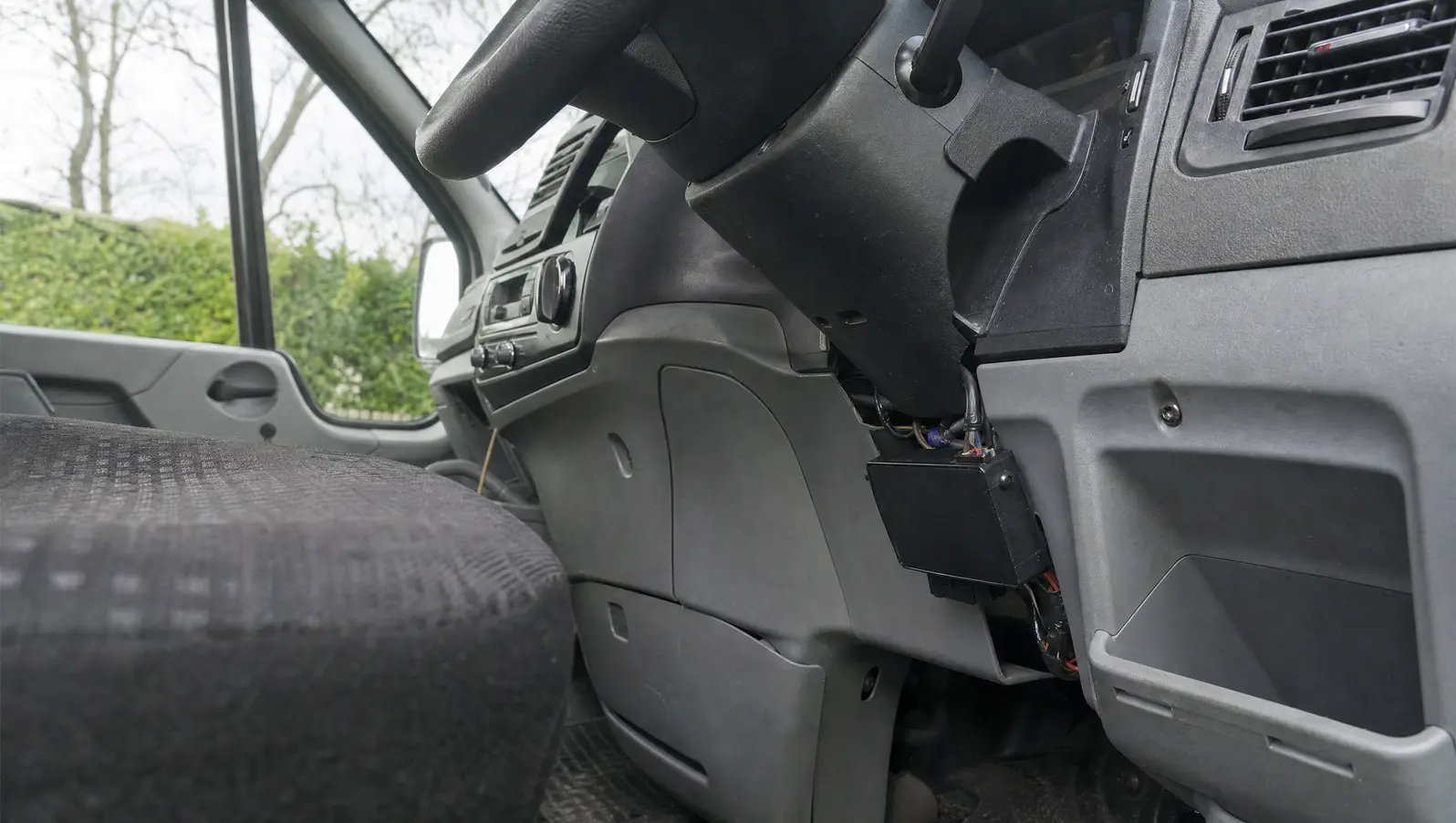
- Install and redeploy effort counts too: time per vehicle on the ramp, and how easily the unit moves to the next vehicle when one leaves the fleet.
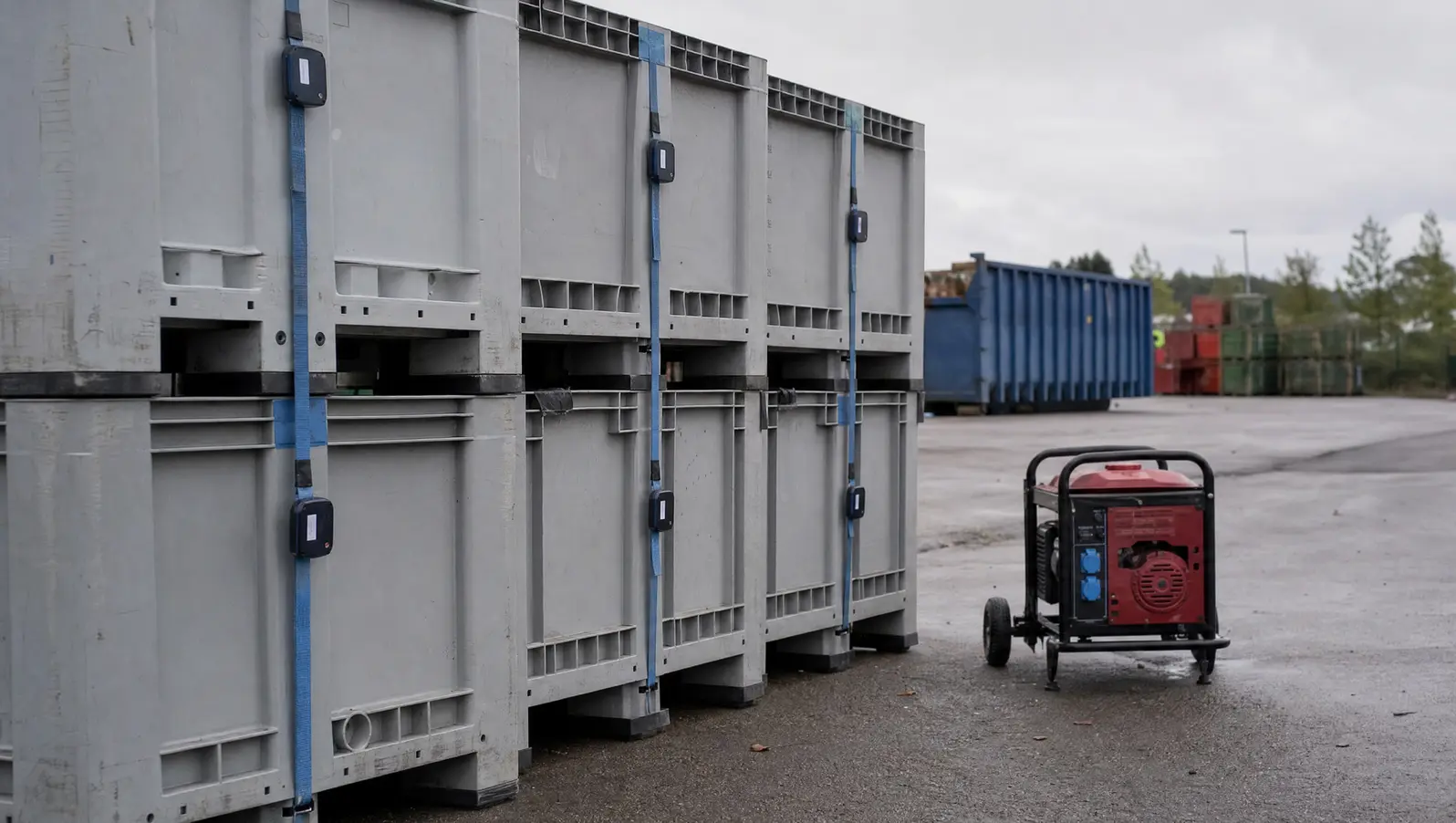
- Autonomy matters for trailers, containers and other assets with no power of their own: battery life and low maintenance.
- Connectivity has to match your geography: coverage in dense cities, at remote sites and on cross-border routes, with network options suited to each.
Where you operate changes the answer
Ask an operator in one market what reliable hardware looks like and you will get a different answer from an operator in another. In markets where vehicles stay in service for many years, long service life is prized ahead of fresh hardware. Where volumes are huge and margins thin, simple devices that install fast and behave the same every day tend to win. Multi-country operations lean toward well-documented, certified devices, because paperwork is easier to repeat than to improvise. A device that is the default choice in one region can be a niche option in another, and both facts can be true at once. Global rankings make entertaining reading, but they do not settle the question for your fleet.
What you operate changes it too
- Logistics and delivery fleets need scale and uptime: quick installs, consistent daily behaviour and minimal downtime across large numbers of vehicles.
- Passenger transport lives on schedule adherence and scrutiny, so devices must run for long stretches without intervention and support monitoring and compliance.
- In construction and heavy equipment, vehicles, machinery and stationary assets share harsh conditions, intermittent power and patchy coverage.
- Trailers, containers and high-value cargo need set-and-forget autonomy more than constant live positioning.
- Leasing and mixed-use fleets reassign vehicles constantly, so hardware must install, remove and reconfigure without becoming a project.
These are ordinary operational realities, and they pull in different directions. That is why a brand-first question is the wrong starting point.
Data arrives from more than your own devices
Two quiet shifts are changing the role hardware plays. First, factory-fitted connectivity is now common on new vehicles in many markets, so part of your tracking data arrives without anyone installing anything. Second, a growing share of telematics data reaches the software through protocol-level integration and retransmission from systems that already exist, rather than through newly installed devices.
The consequence is simple: the tracker has stopped being the centre of the system. It is one data source among several, and that shifts the weight of the buying decision from the device to the software behind it. RAAD is built around exactly this reality: it takes over the hardware customers already run rather than replacing it. Trackers from two or three vendors, plus factory data from newer vehicles, can sit together on one live map with trip and stop history, geofences and rules in RAAD Track, each device doing its job instead of being retired for speaking the wrong protocol.
Cameras and AI belong in the same console
The same shift is happening to video. Standalone camera systems are giving way to cameras that sit inside the core telematics picture, because a clip means little without the context of the trip it belongs to. When an AI dashcam in RAAD Cam flags phone use, drowsiness or an unclipped belt, the clip arrives with time, place and speed attached, next to the rest of that trip's data.
More sources mean more alerts, so triage matters. RAAD's AI Insights reads every alert, holds back what does not need a person, and brings the rest with a reason and a proposed fix. Nothing touches a vehicle until someone approves it, so the technology widens what you can see without taking control away from your team.
Questions to ask before the next hardware order
- Will this device behave predictably in our conditions, in city traffic and at remote sites alike?
- Can we buy it, and get support and firmware for it, where we actually operate?
- Does our telematics software speak its protocol today, without a custom project first?
- Can we move the unit to another vehicle in an hour when the fleet changes?
- What happens when we add a second or third device type, or a vehicle with factory connectivity?
Most buyers forget that last question, and it is the one that decides whether today's purchase becomes tomorrow's constraint.
Hardware churns; software stays
Devices are the short-term decision. They fail, get reassigned and are replaced by factory data as the fleet turns over. The software is the long-term decision, and it deserves the same test as the hardware: fit. RAAD keeps the whole estate in one console. The same login that shows the live map also checks every fuel fill against what the tank actually took, holds lock state for cargo e-locks, reads temperature and door sensors at fixed sites such as cold storage, and reminds the office when a document or inspection is due. Every account sits in its own walled-off space within the Platform, Partner and Account hierarchy, whether it belongs to you or, for partners, to a customer of your own.
For partners who resell telematics, this shift has a commercial edge: a one-off hardware sale becomes monthly recurring revenue when RAAD is billed under the partner's own brand, logo, domain and invoice. The tracker will eventually be replaced. The relationship with the operator does not have to be.
Fit today, flexibility tomorrow
Choose devices that fit the job in front of you: the region, the industry, the vehicles and the install reality. Then choose software that will still be the right home for those devices when the fleet has grown, the vendors have multiplied and the next data source has appeared. Fit plus flexibility is the difference between telematics that tracks vehicles and telematics that runs the operation.
One platform for every connected asset
Tracking, power, cameras, metering and compliance in one console — resold under your own brand and billed by you.
Explore the RAAD platform