Thoughts on connected hardware.
Practical writing for fleet managers, operations leads and the businesses that resell telematics: tracking, fuel, cameras, cold chain, compliance and the connectivity underneath them.
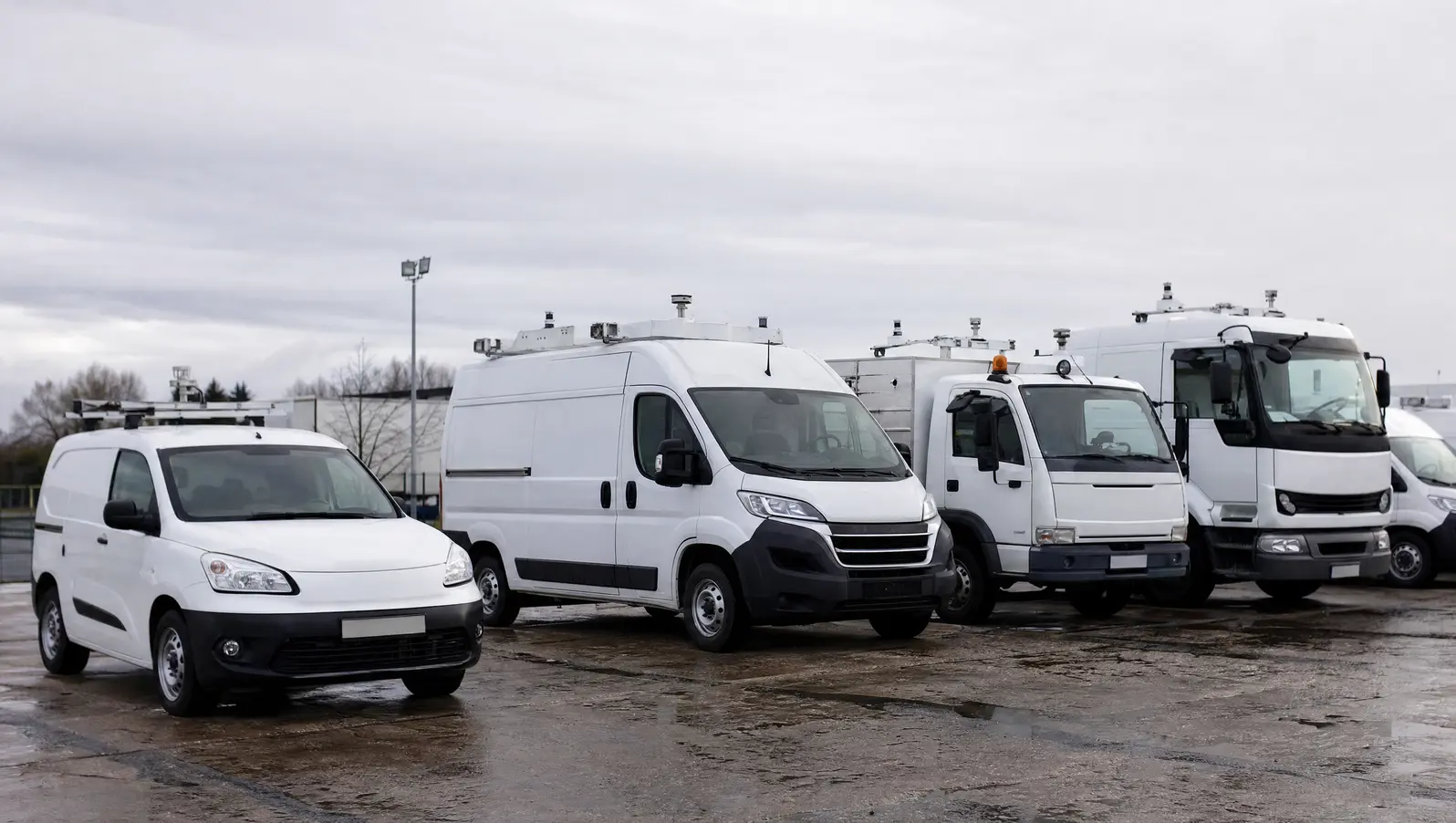
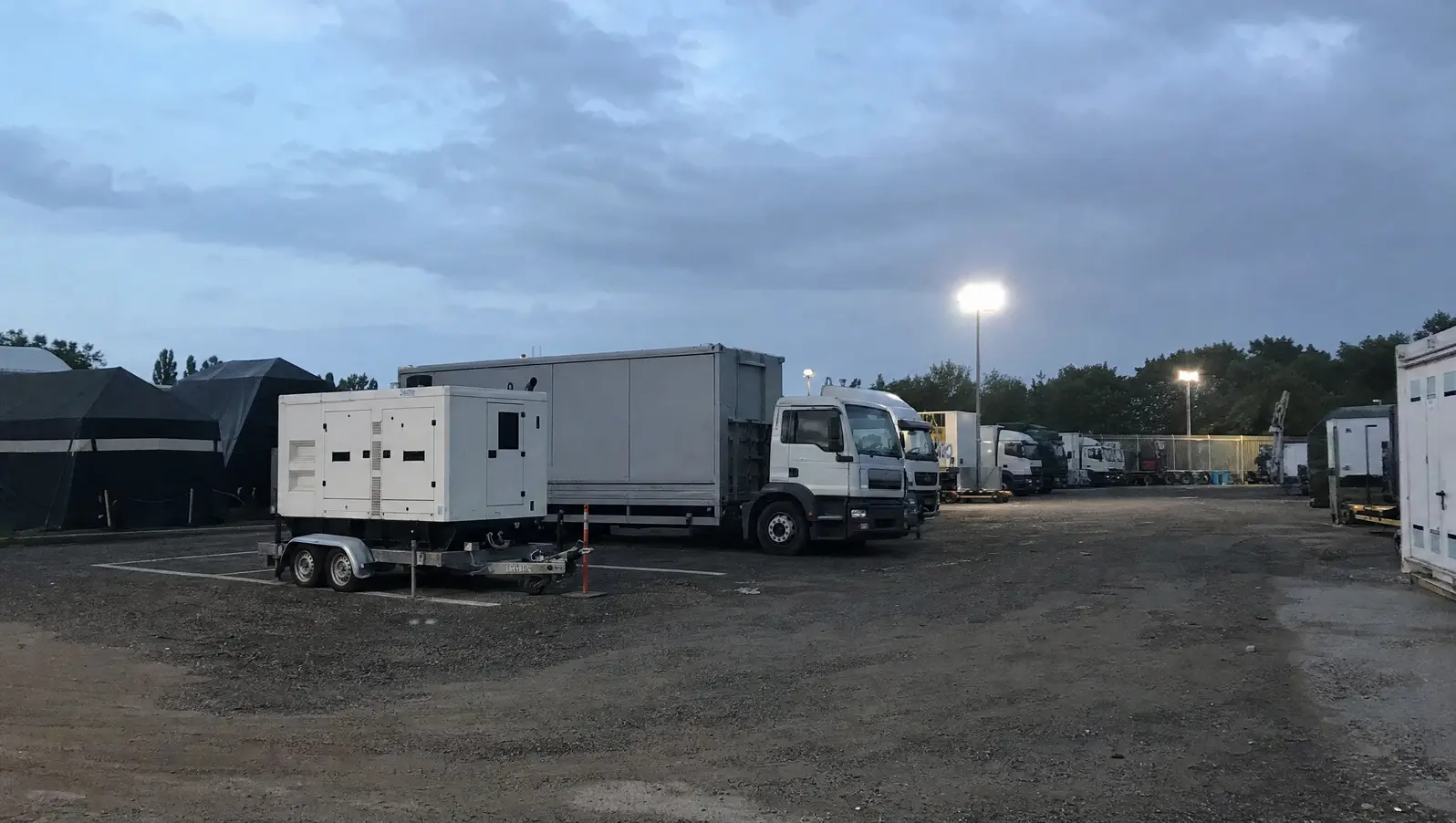
Real-time asset visibility in disaster response
What real-time asset visibility gives emergency and utility fleets during a disaster: live location, readiness you can trust, and far less manual work when minutes matter.
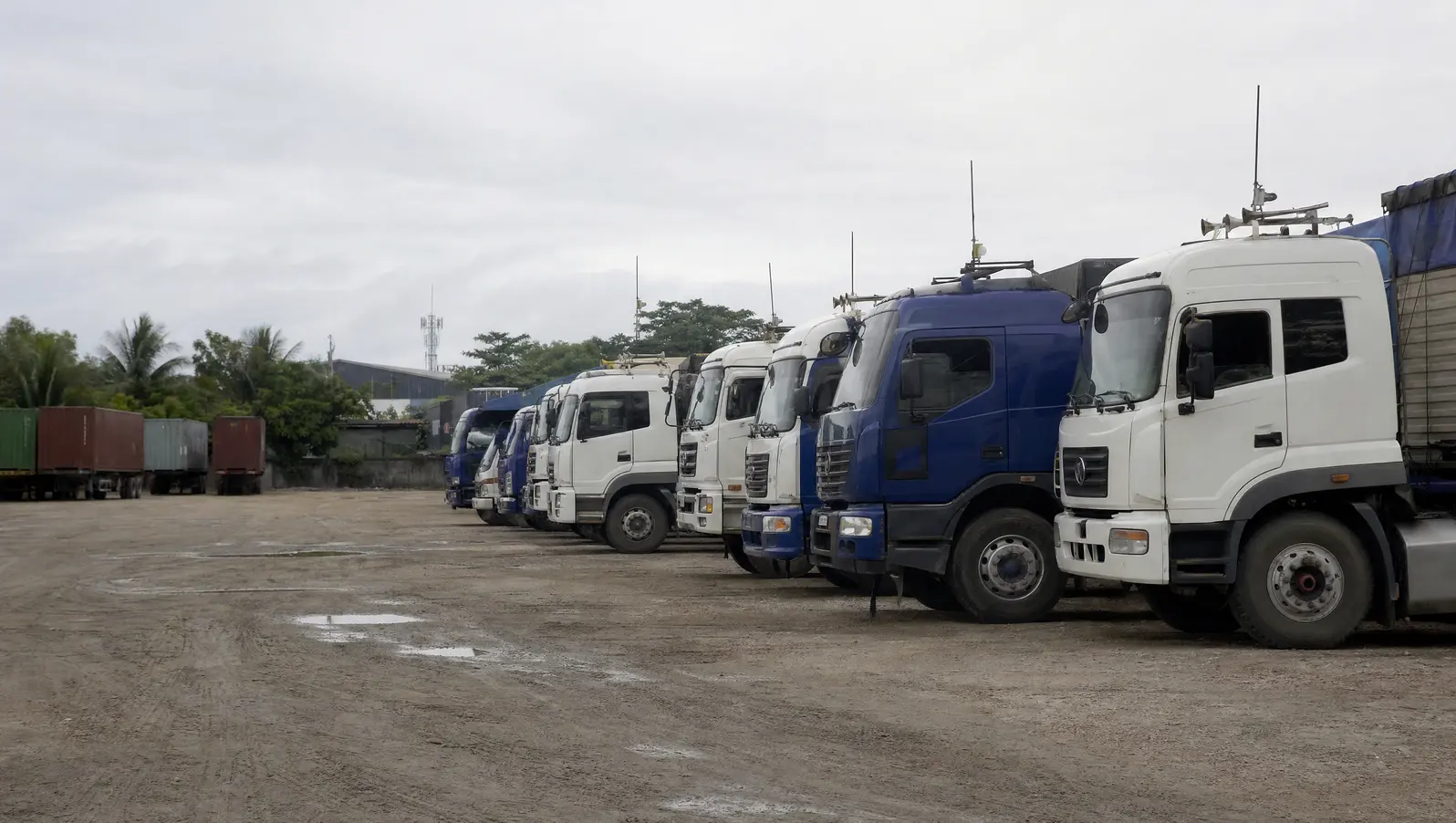
Telematics is becoming the backbone of digital logistics
Why telematics is now core infrastructure for digital logistics: regulatory reporting, real-time alerts, EV energy accounting and carbon data in one console.
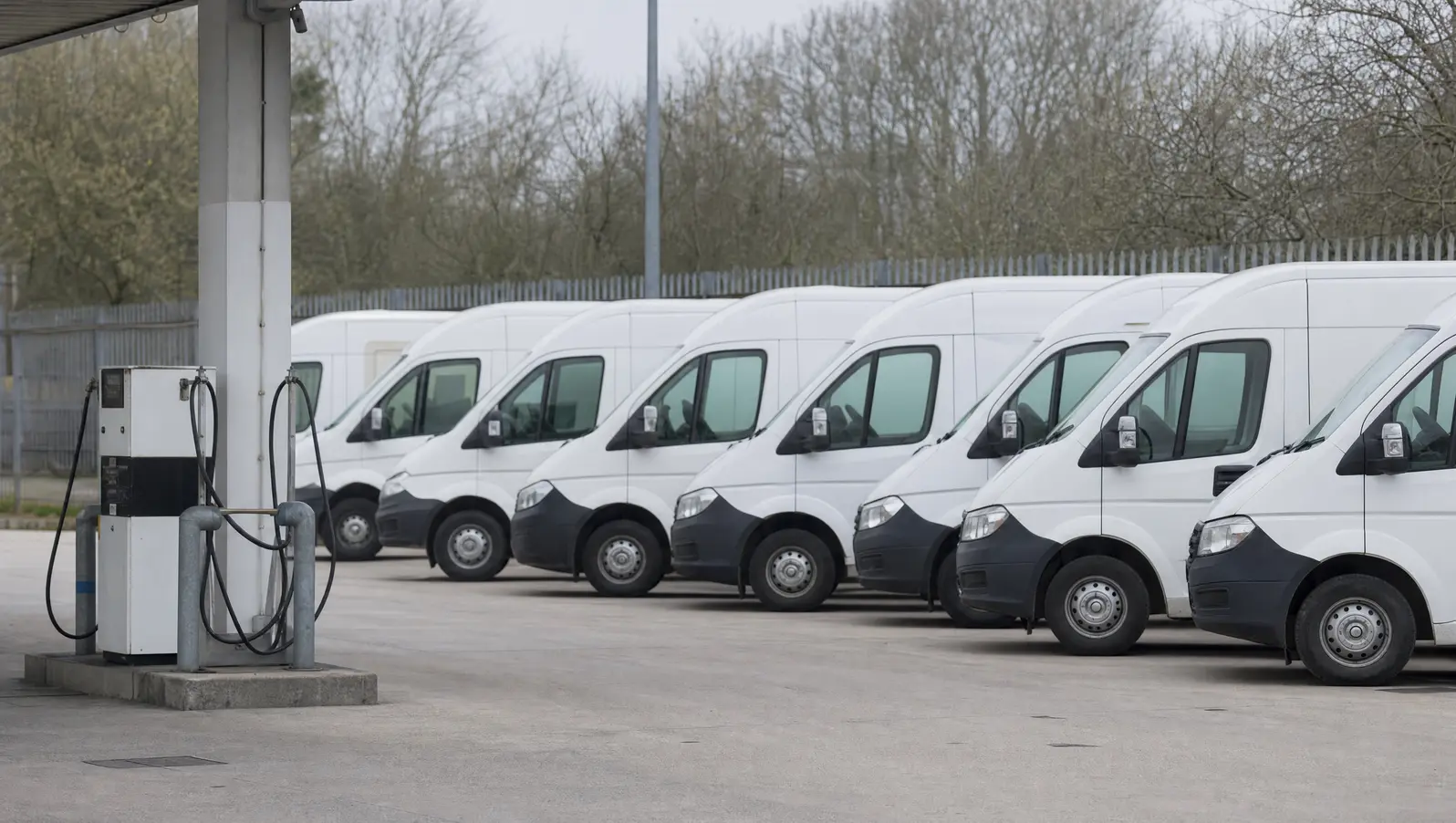
Eight ways fleets cut fuel costs with telematics data
Eight ways fleet managers cut fuel costs with telematics: idling, driver coaching, route planning, theft detection, maintenance and benchmarking.
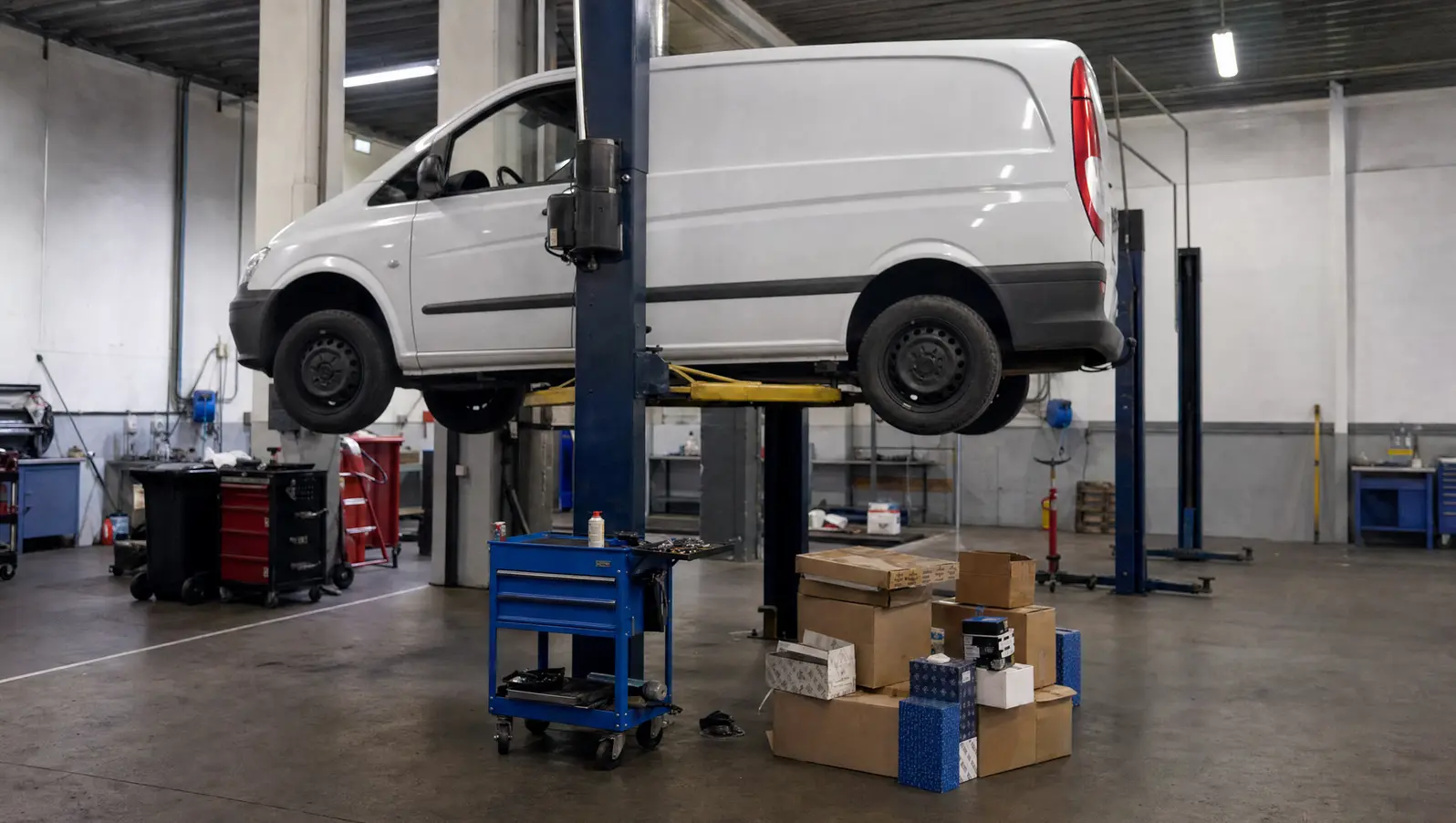
Hidden Fleet Maintenance Costs and How to Bring Them Under Control
See where hidden fleet maintenance costs sit: repeat repairs, lost wrench time, warranty leakage and paper work orders, and how one connected record fixes them.
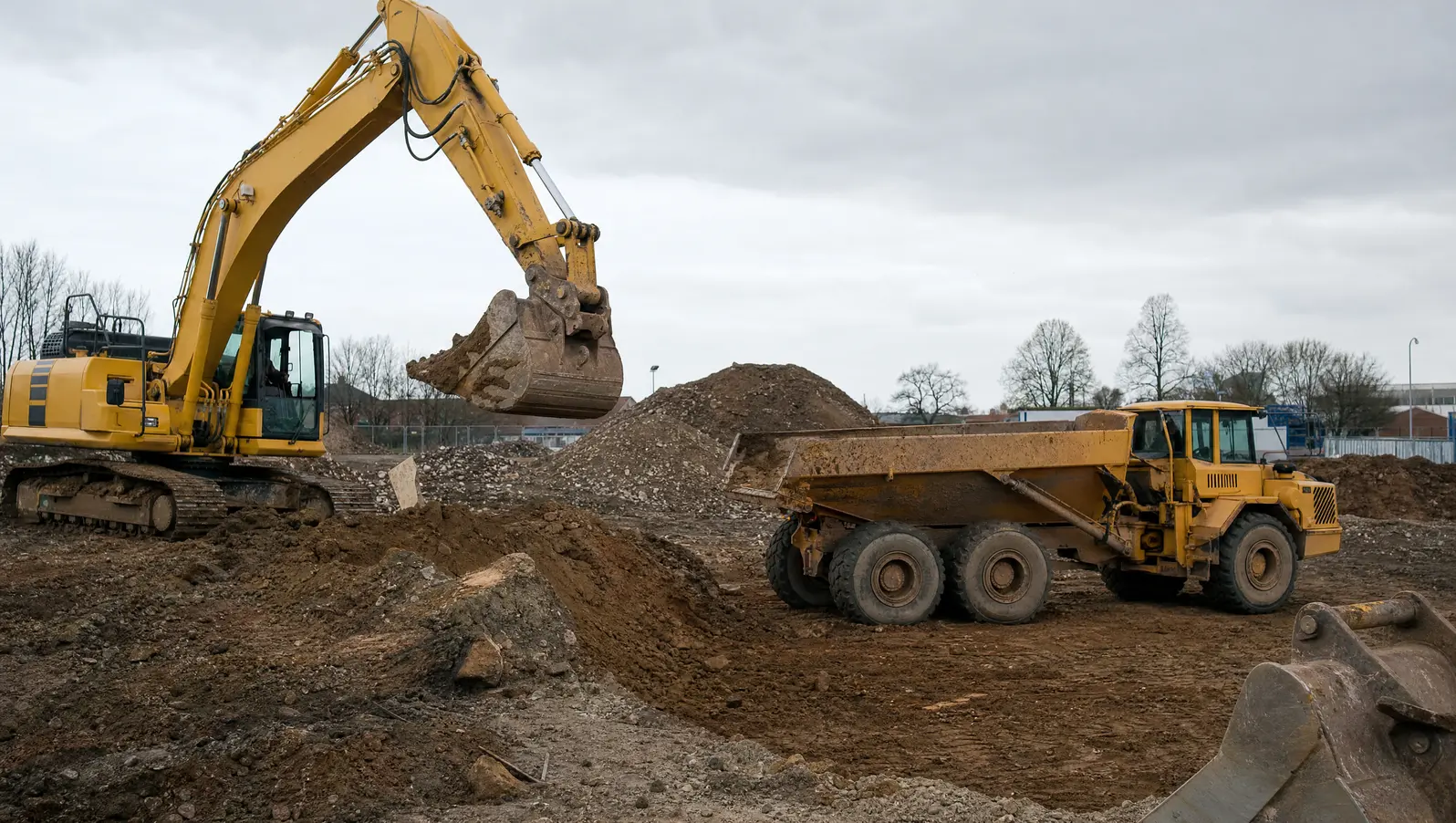
Heavy Machinery Workload Tracking With Engine RPM Data
Engine hours alone hide how hard heavy machinery actually works. See how RPM-based workload bands reveal idle time, abuse and true maintenance needs across your fleet.
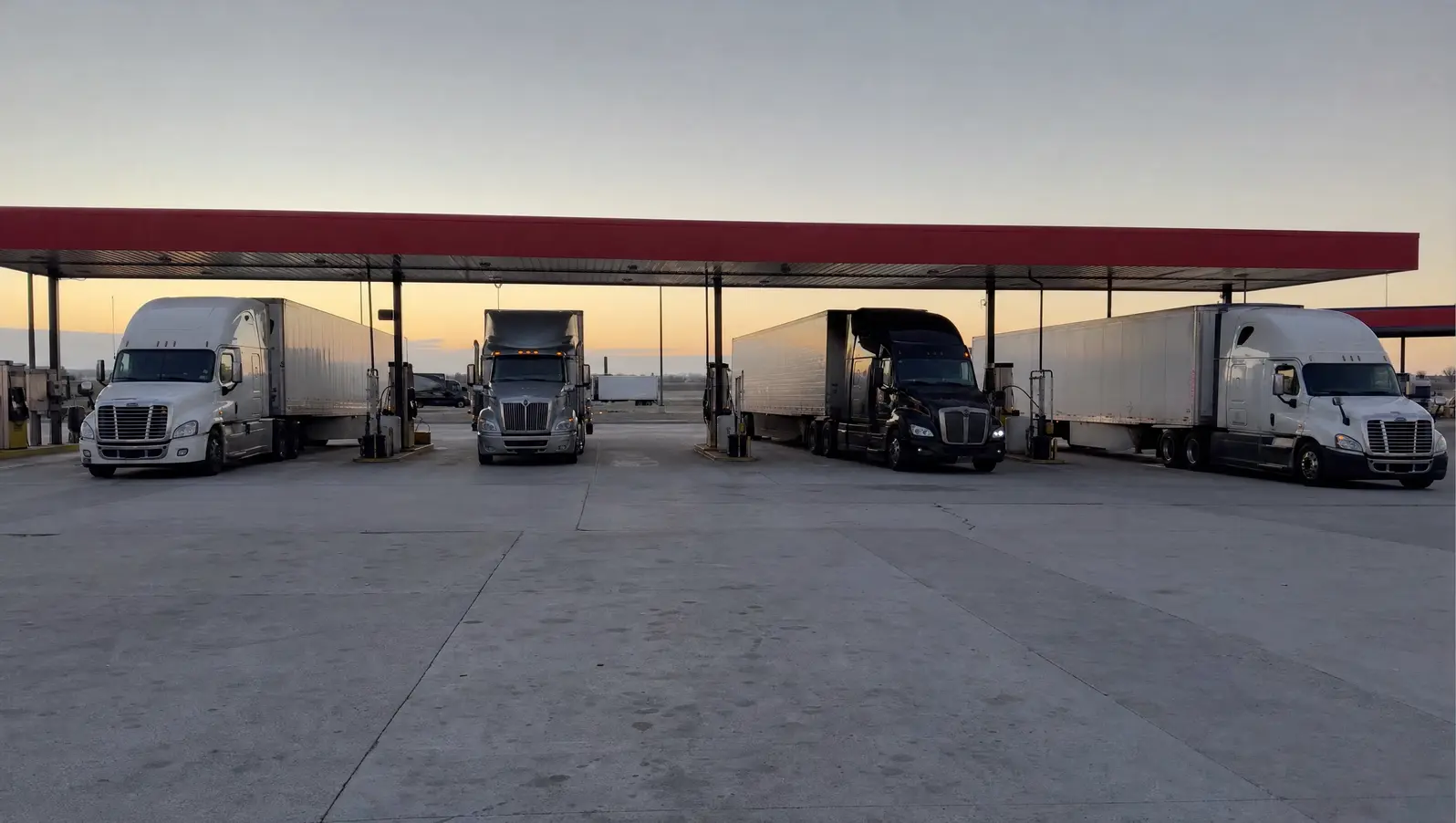
Why Diesel Prices Hit Your Fleet Twice
Why diesel prices hit a fleet twice, first at the pump and again on supplier invoices, and which half of the fuel bill you can still control.
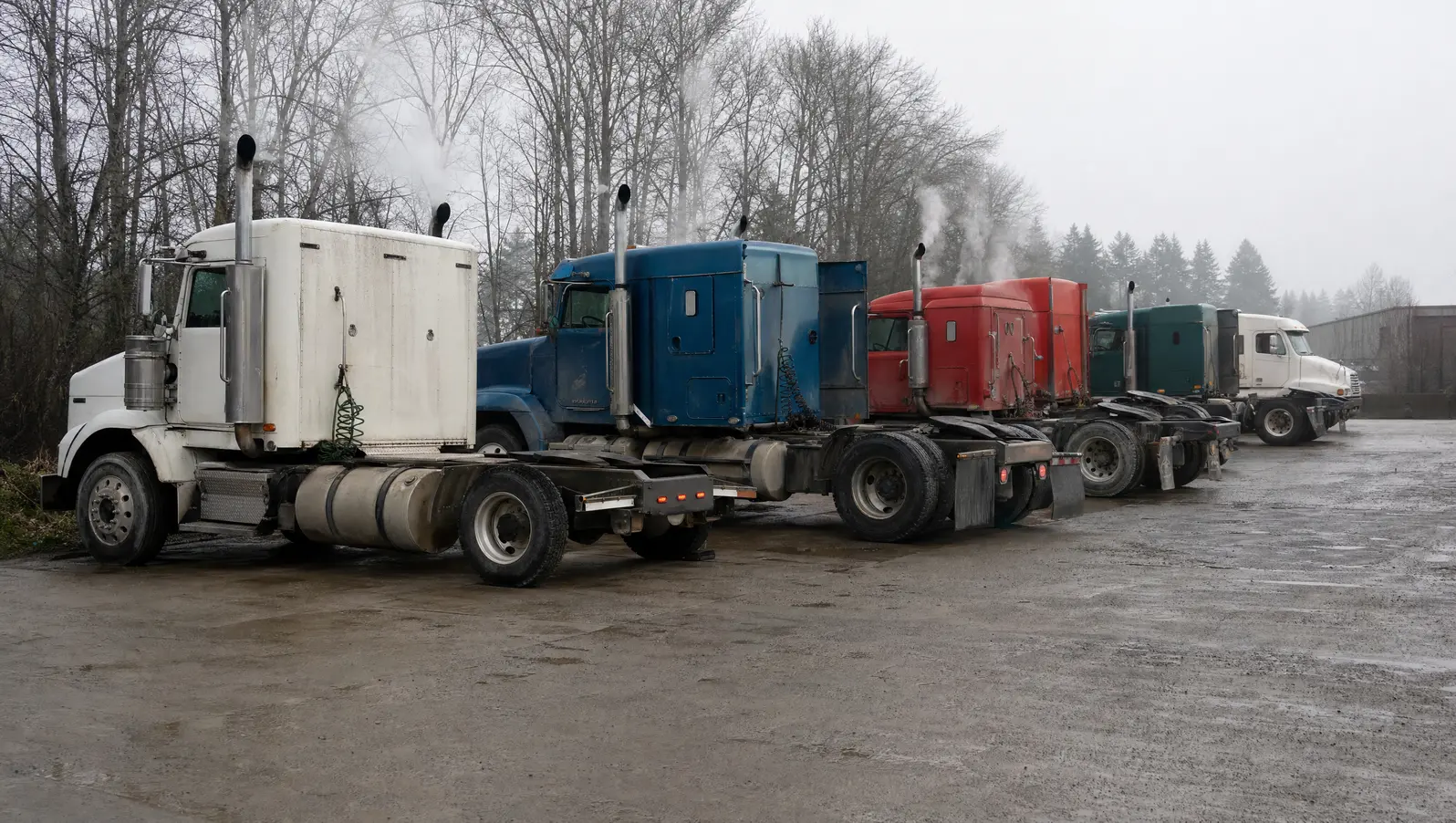
How to set excessive idling rules for each vehicle group
Why excessive idling means different things for delivery vans, haulage trucks and plant vehicles, and how to set thresholds and act on events in real time.

How fleet data powers a road safety action plan
A road safety action plan needs evidence: where risk clusters, what works, and how progress is measured. Fleet telematics and camera data supply it.
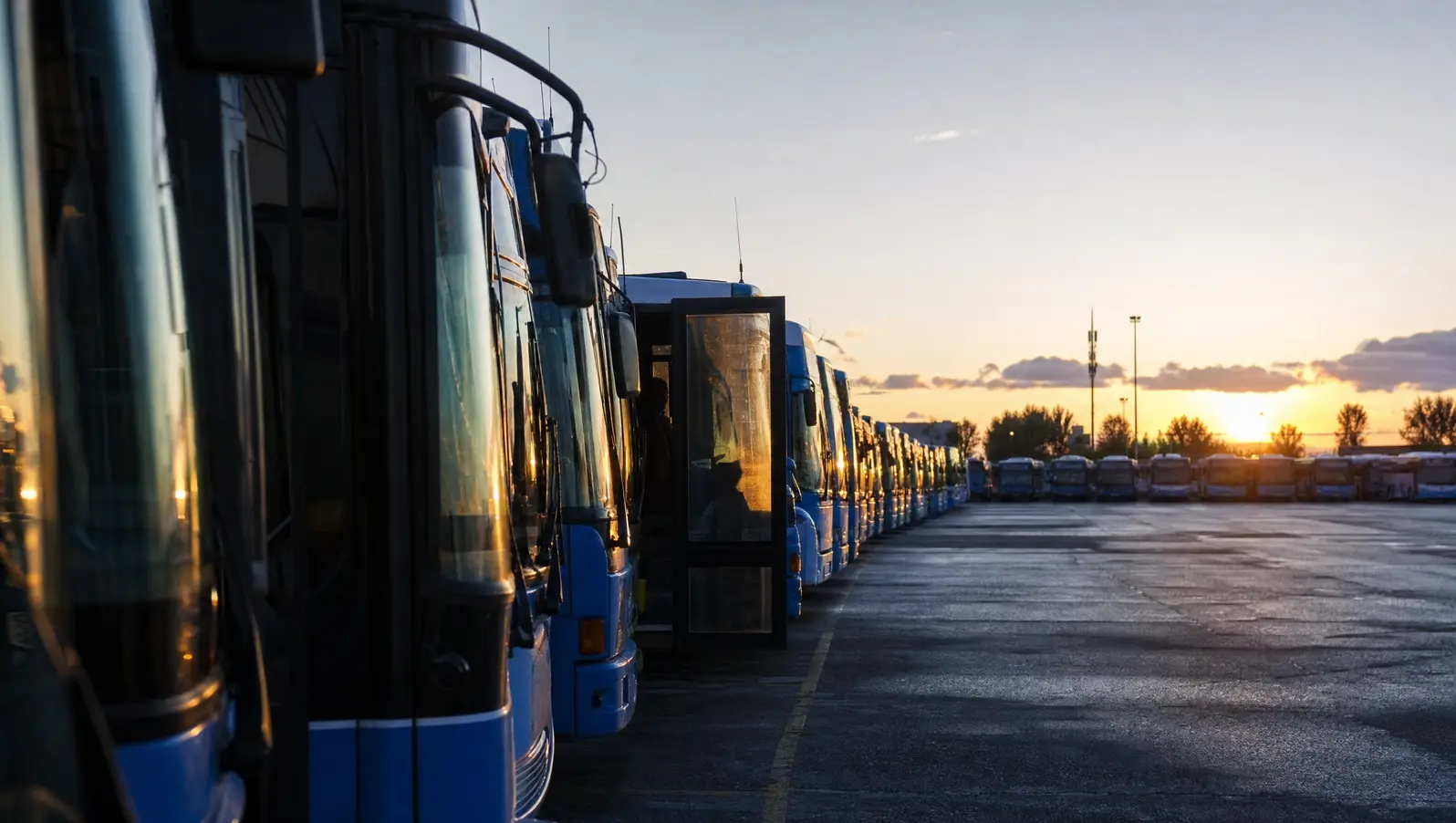
Automated driver verification for shared bus fleets
Automated driver verification ties each ignition to a named driver, cutting unauthorised use, fuel loss and slow investigations in shared bus fleets.
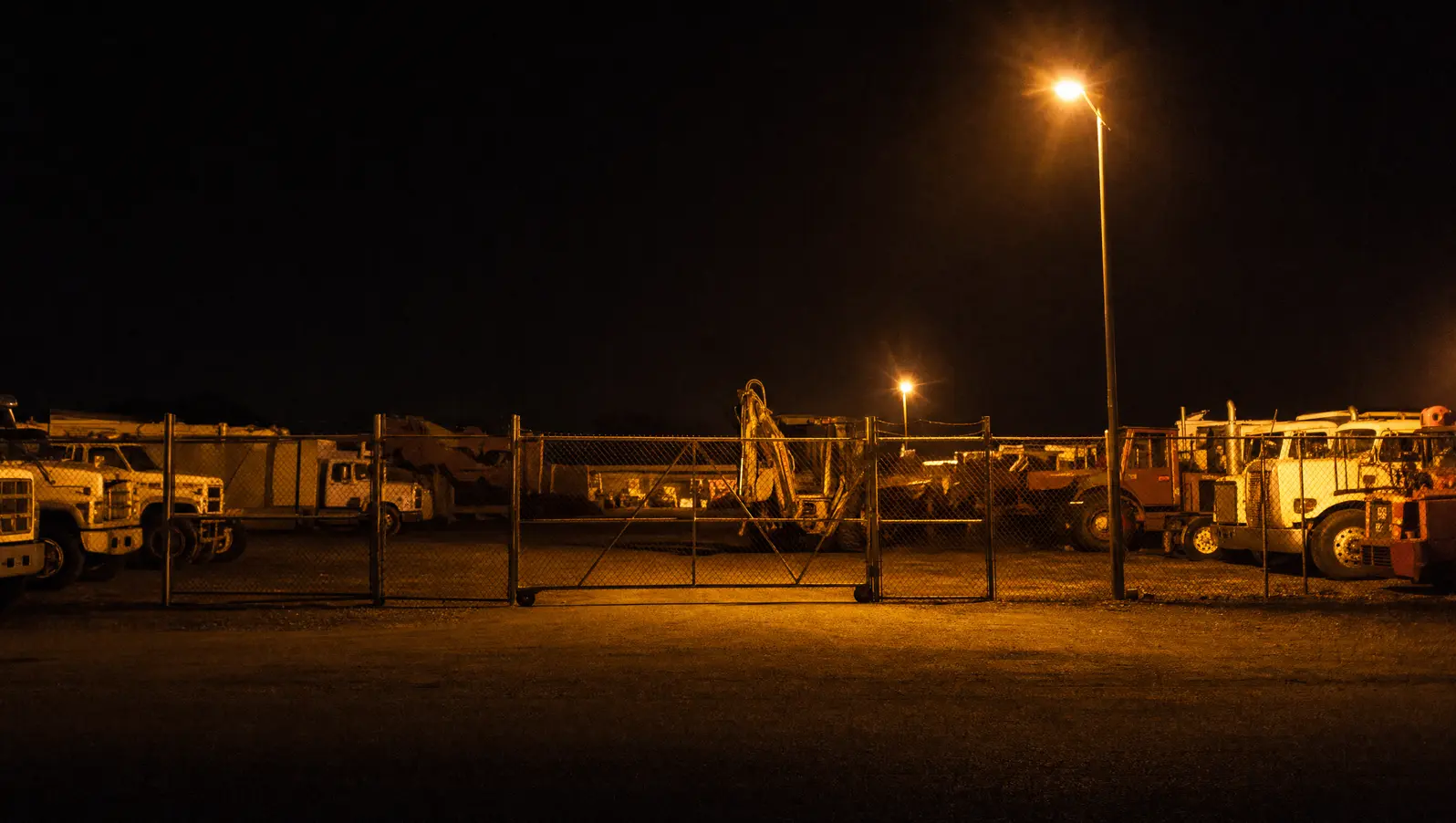
Fleet geofencing automation: from alert to action
Fleet geofencing automation turns boundary crossings into action: zone speed warnings, after-hours parking rules, restricted-area alerts and theft response.
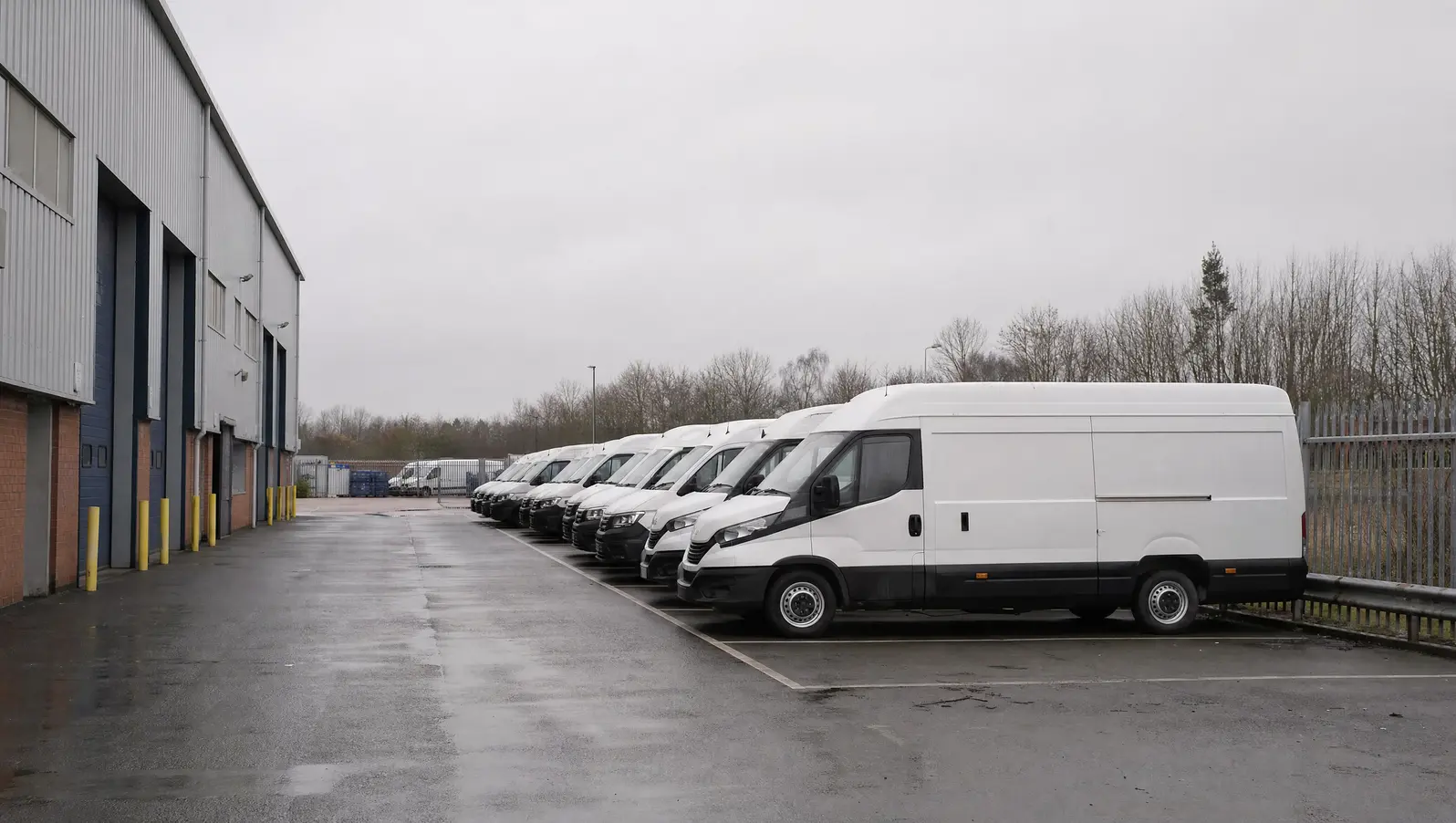
What Fleet Trip Reports Actually Tell You
What a fleet trip report contains, the five operational jobs it does, and how to match the depth of analysis to the question you need answered.
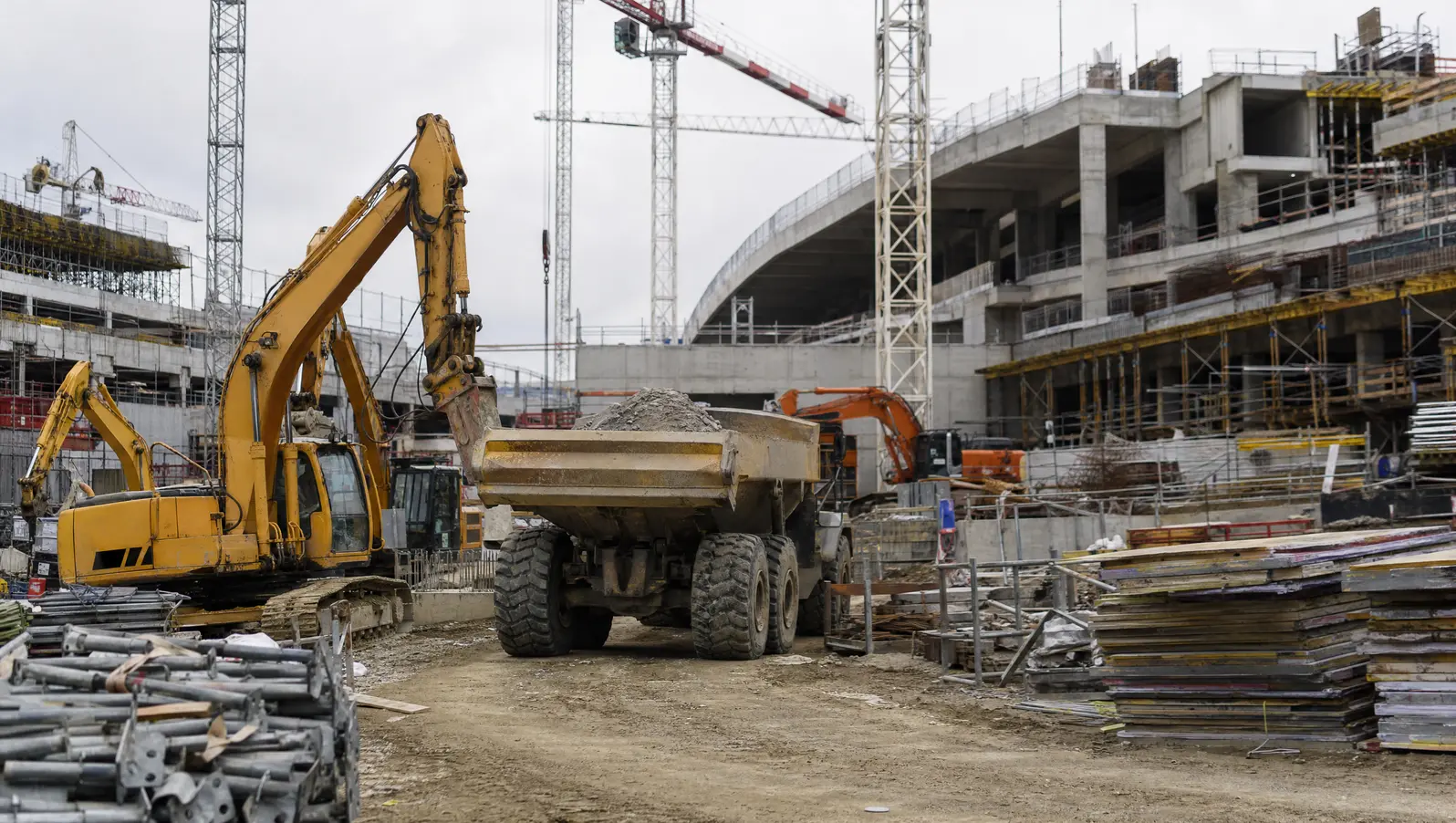
Construction Fleet Management in the Years Before a Major Event
Why major events trigger years of construction work, what the surge does to a construction fleet, and how telematics data keeps the build under control.
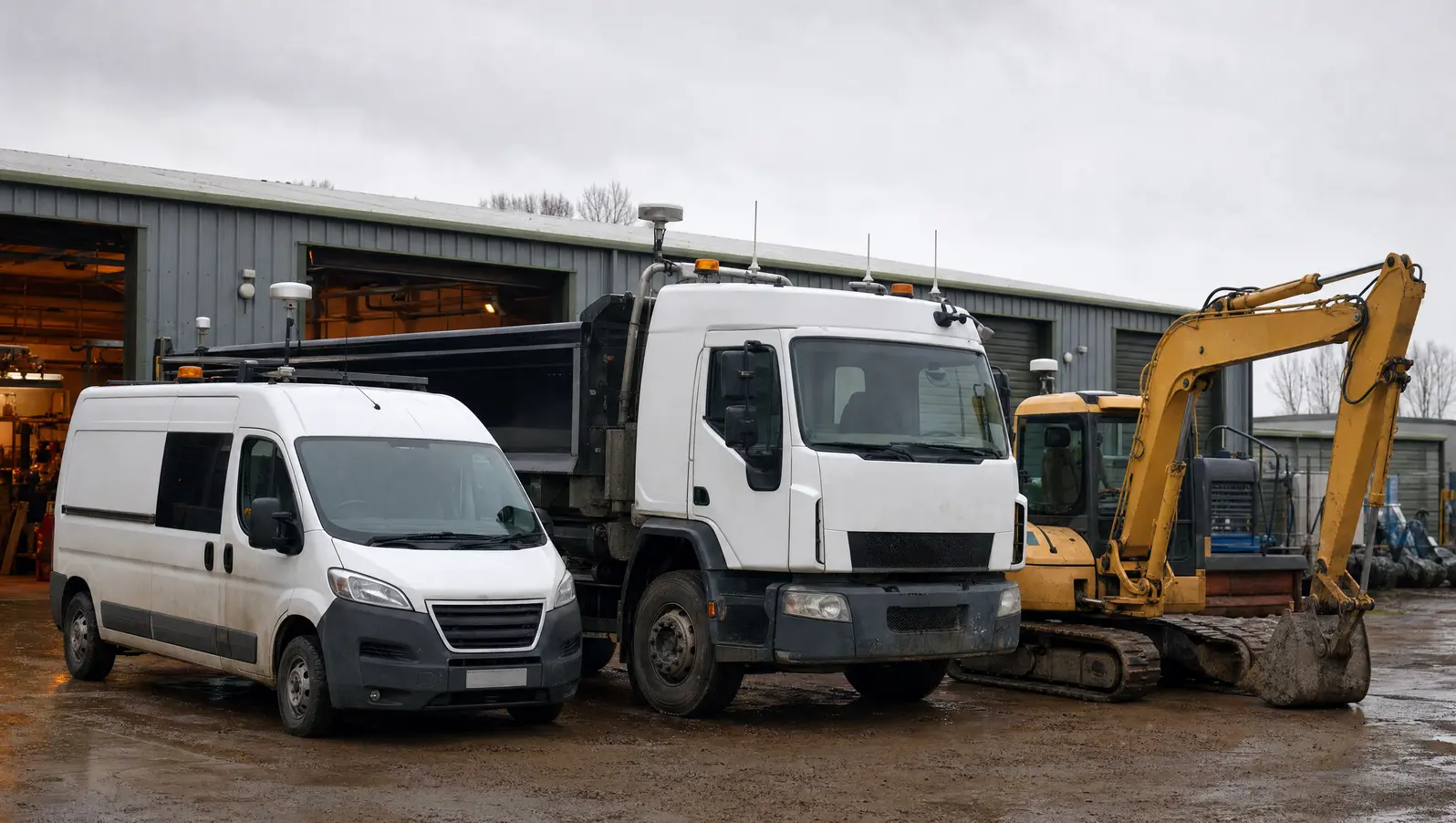
Predictive maintenance depends on clean fleet data
Why connected fleets struggle to turn telematics data into predictive maintenance, and the clean-data foundations that make fault prevention work.
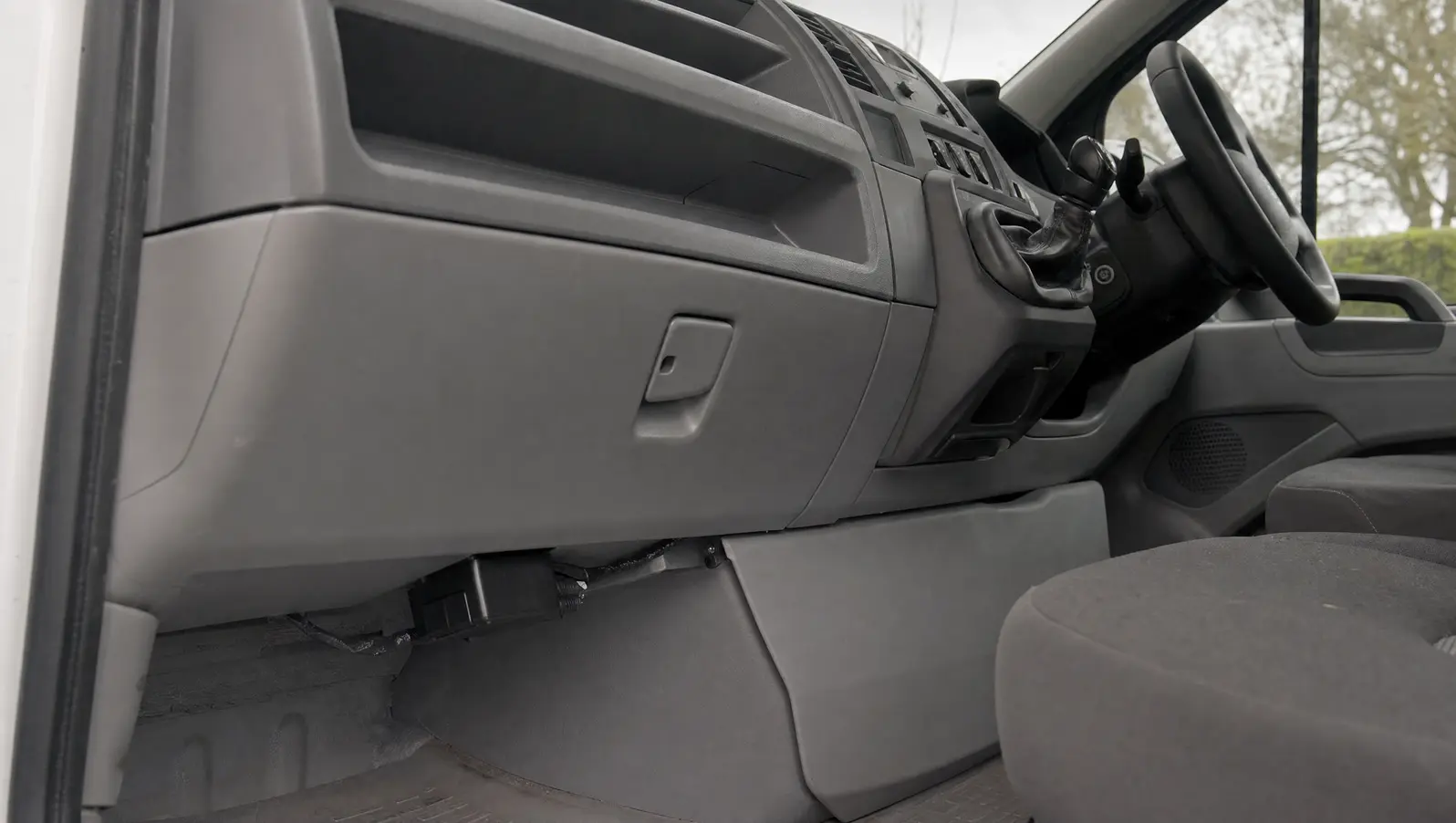
Factory-Fitted Telematics Won't Replace Your GPS Trackers
Factory-fitted telematics is spreading, but trackers are not going away. Here is how to judge the software layer when new vehicles arrive with their own modem.
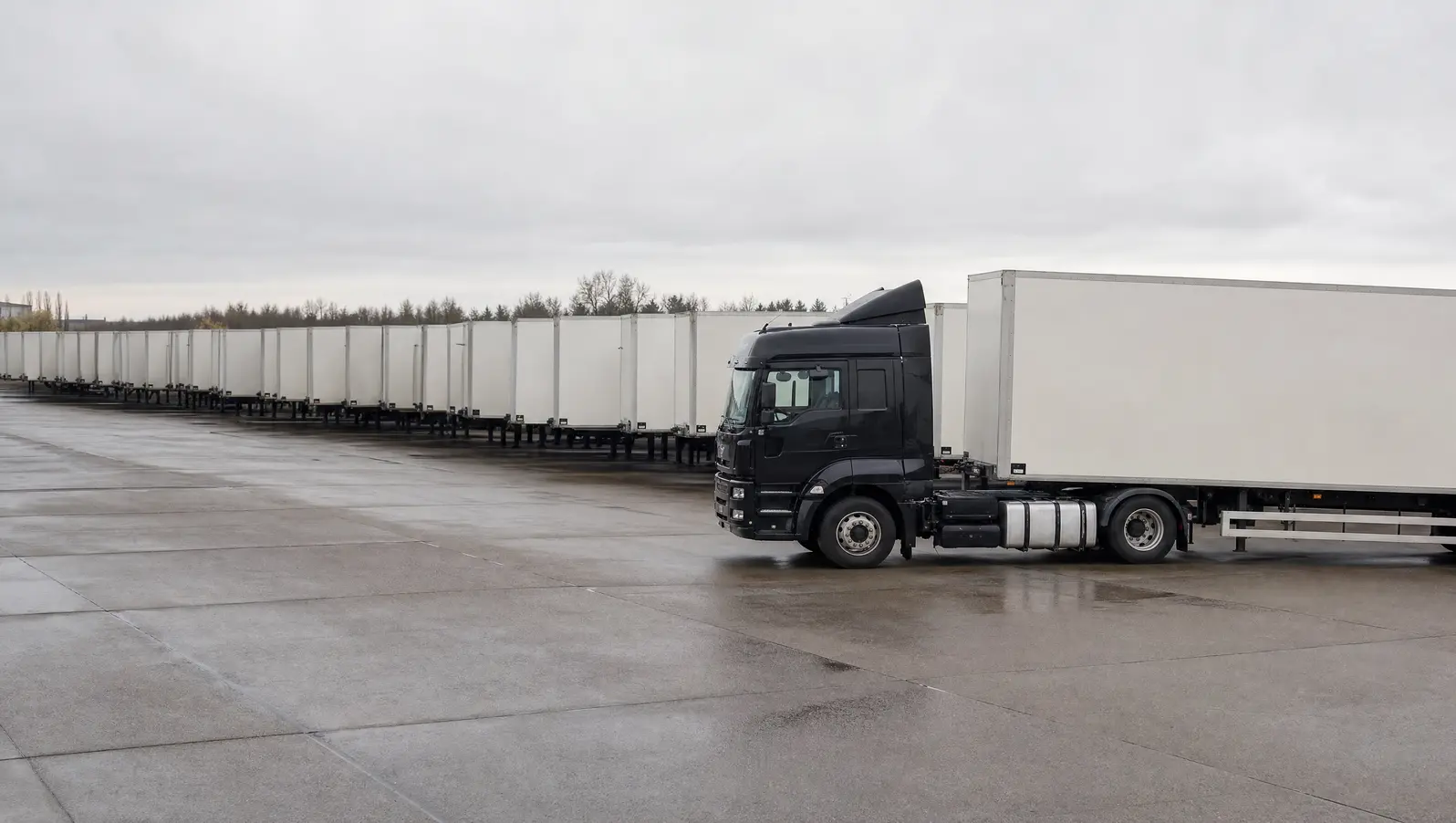
Preventing trailer mispulls with real-time trailer visibility
Wrong trailer pulls waste fuel, delay deliveries and strain customers. See how real-time trailer visibility and pairing checks make mispulls preventable.
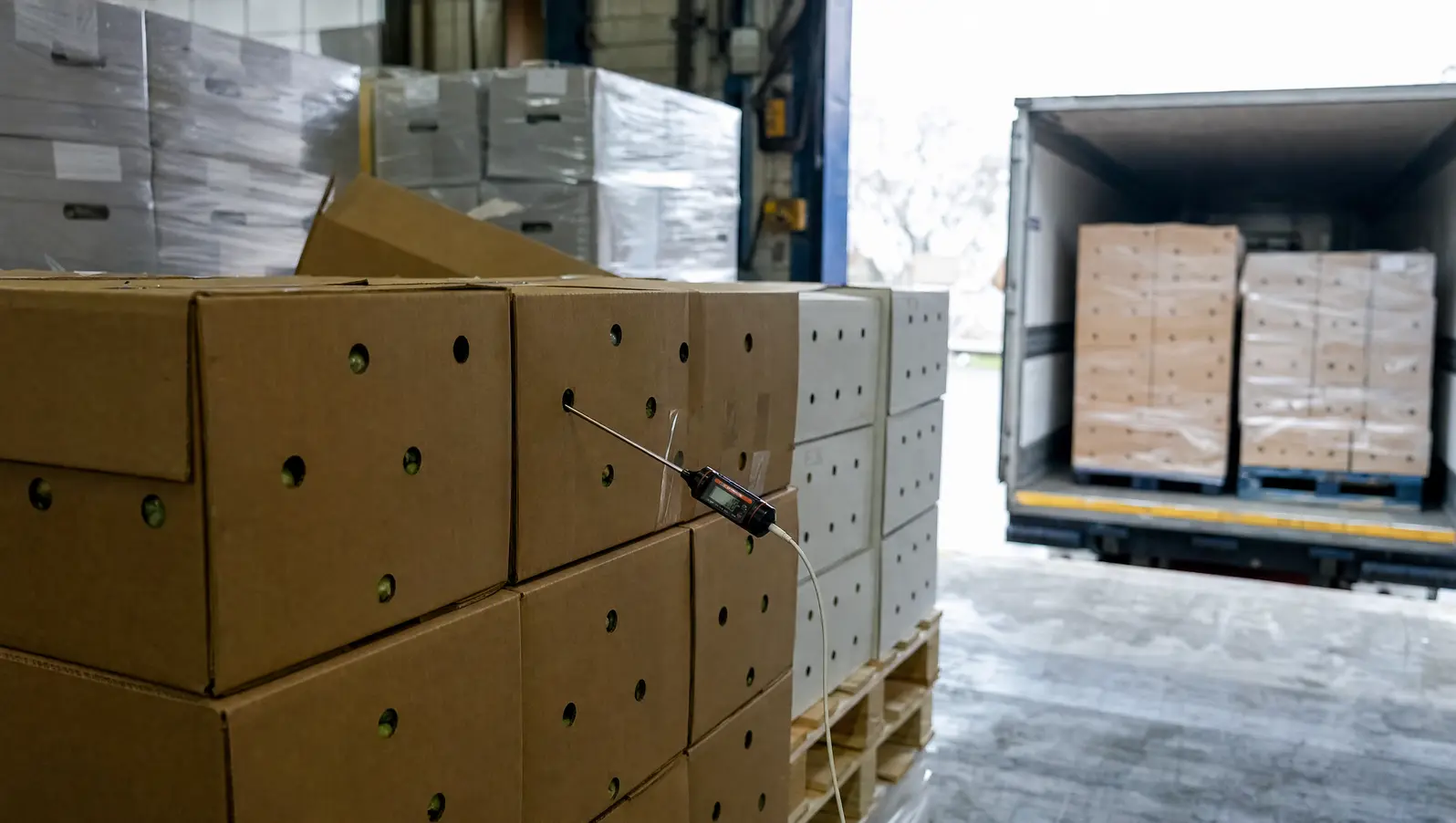
Pulp temperature checks before a reefer load departs
What a reefer display cannot tell you at load-out, why pulp temperature is the reading that matters, and the four checks that clear a refrigerated load.
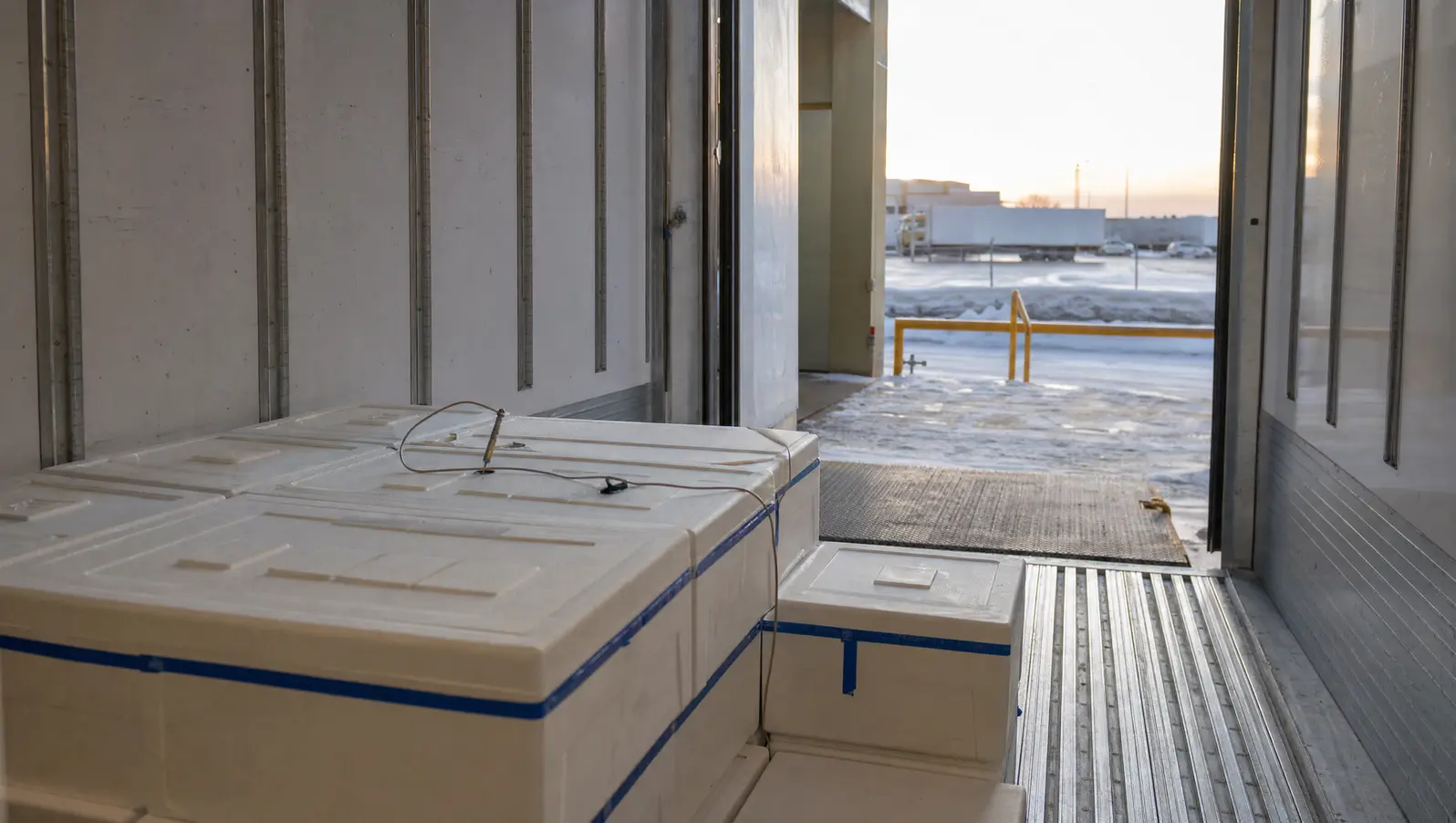
The Freeze Risk Most Cold Chain Monitoring Misses
Why cold chain monitoring misses freeze events, and the three controls that catch them: a lower-bound rule, a product-level probe and a rate-of-change alert.
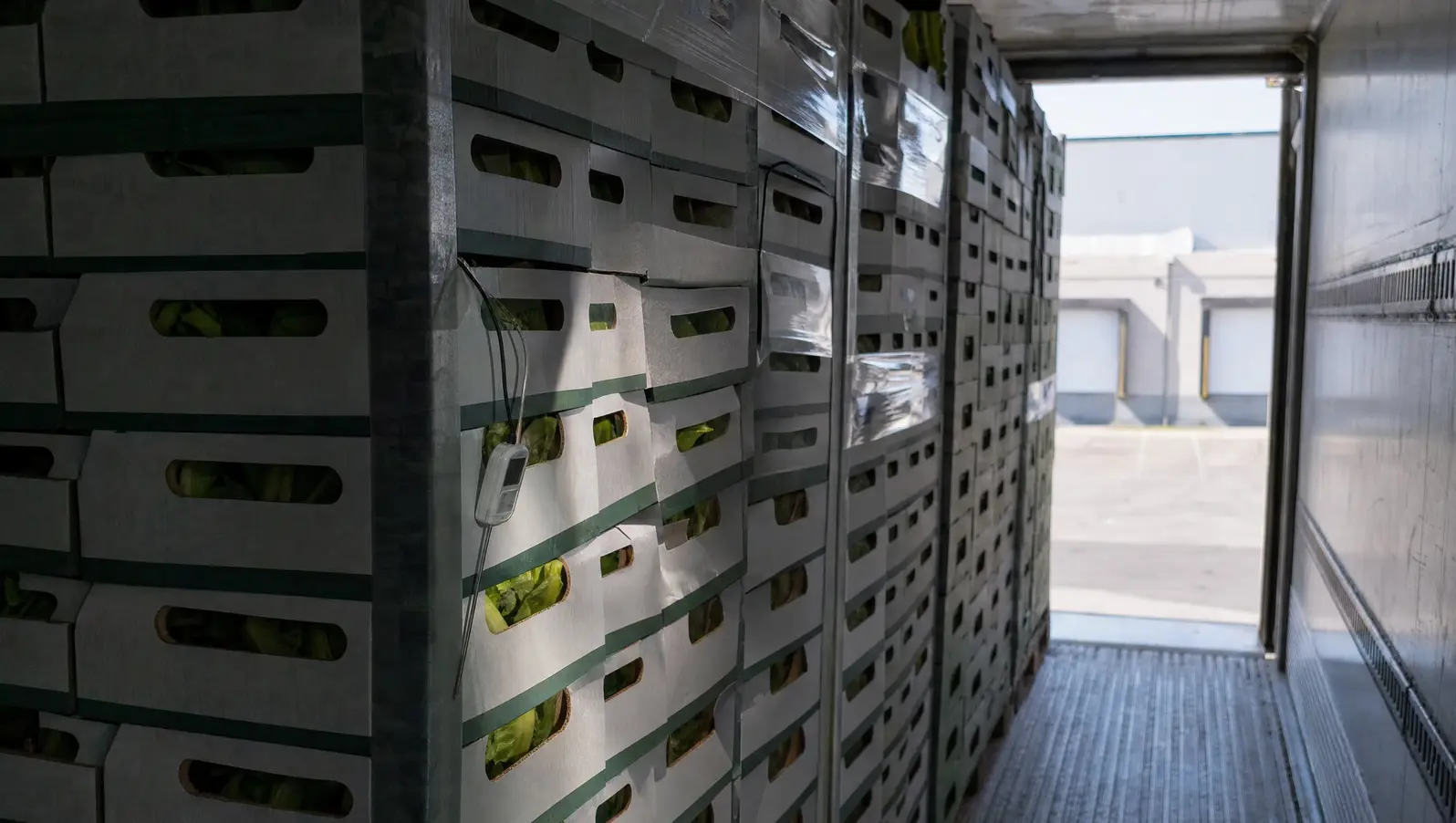
A thermometer is not a cold chain temperature record
Air temperature alone cannot prove a cold chain held. Learn what makes a defensible record: pulp readings, rate-of-change alerts, buffered data and MKT.
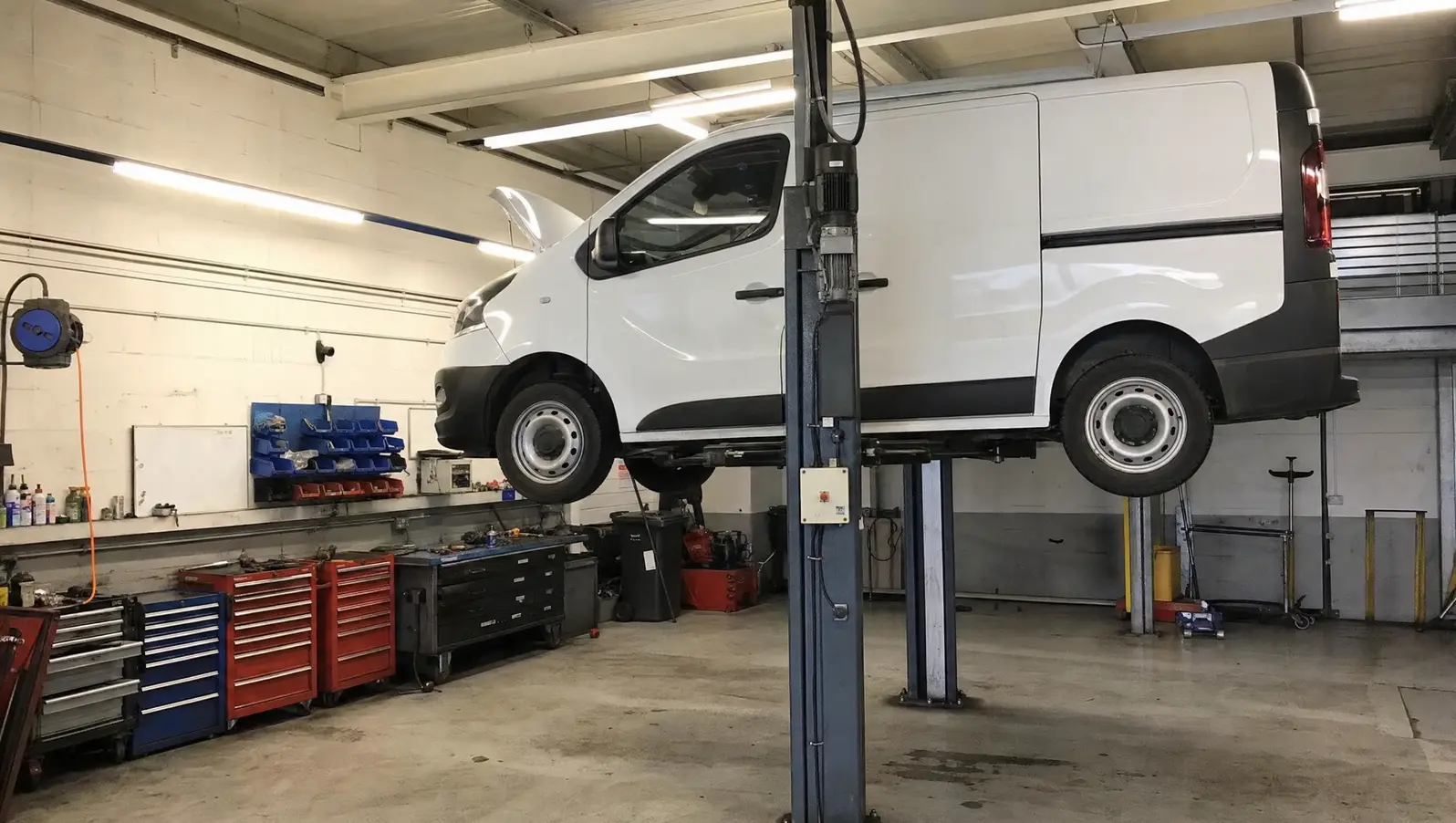
Fleet maintenance metrics that expose hidden costs
The fleet maintenance metrics that show where money leaks: cost per asset, reactive versus preventive work, roadside repairs, warranty coverage and downtime.
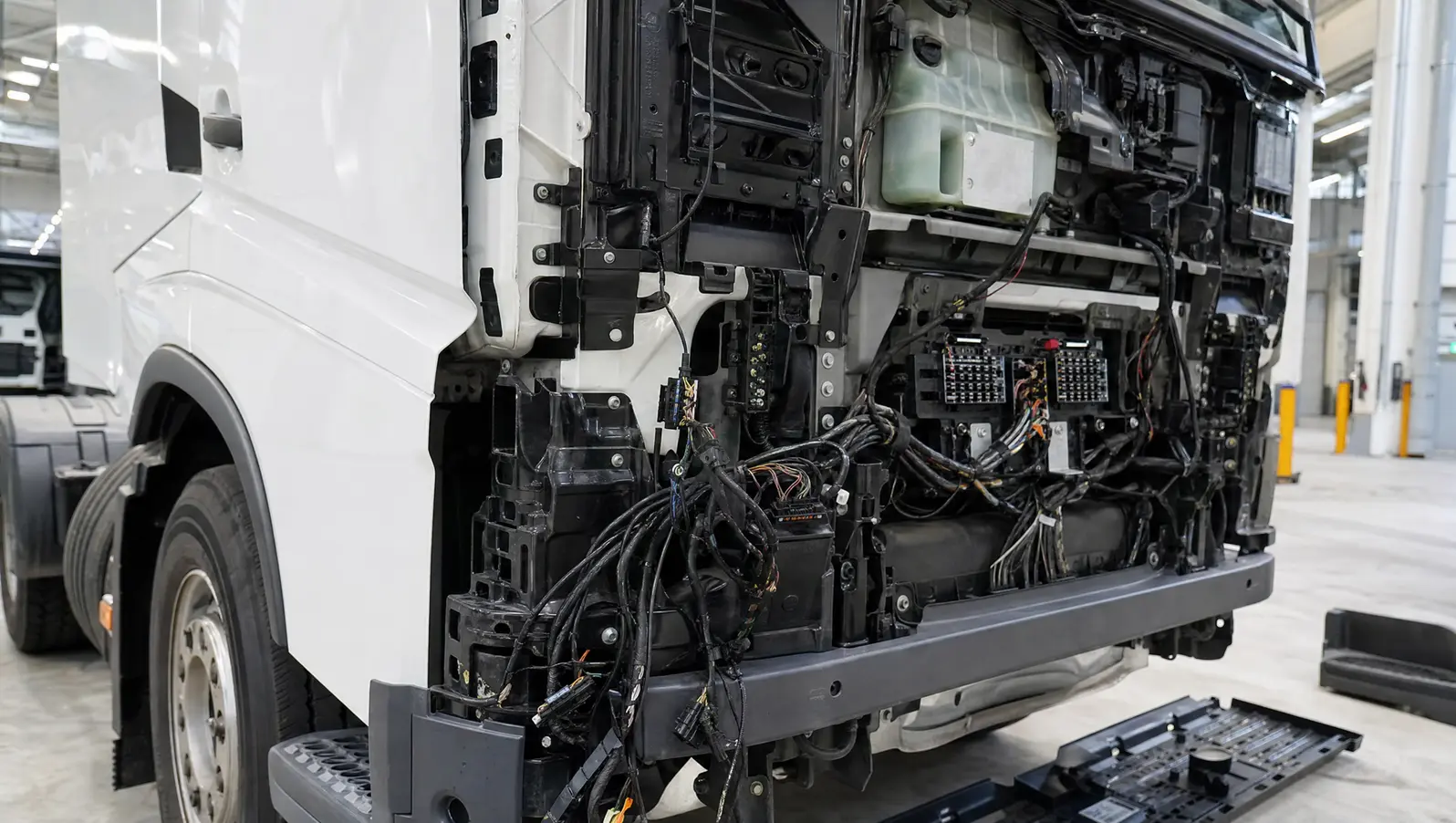
How to verify CAN data on Chinese trucks with no FMS gateway
Why Chinese trucks often lack an FMS gateway, what CAN data they still carry, and a three-step check to verify CAN data before you sign the handover.
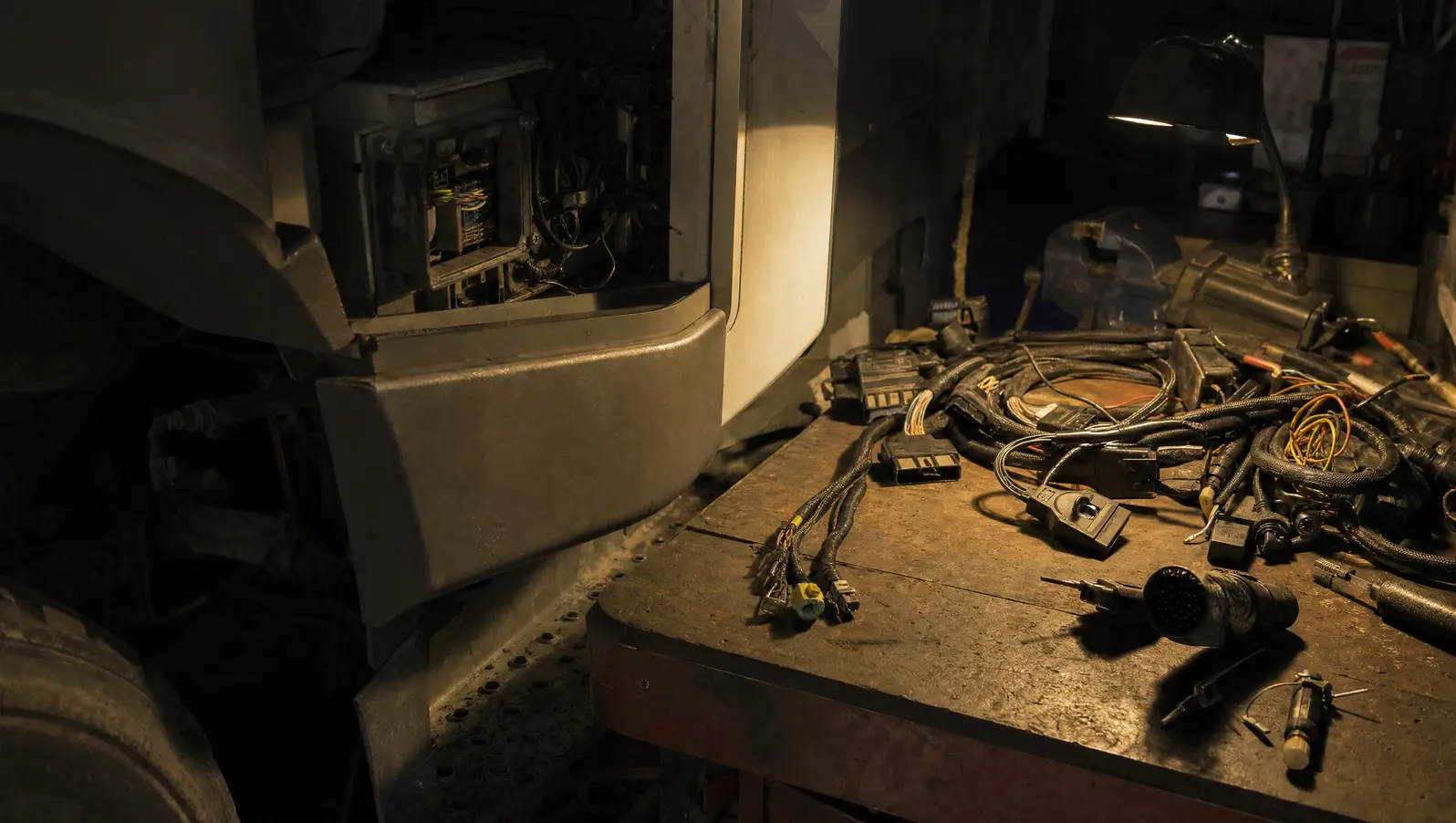
The shelf life of a custom CAN bus profile
Why a reverse-engineered CAN bus profile only holds its edge for six to eighteen months, and where the lasting margin in fleet telematics sits.
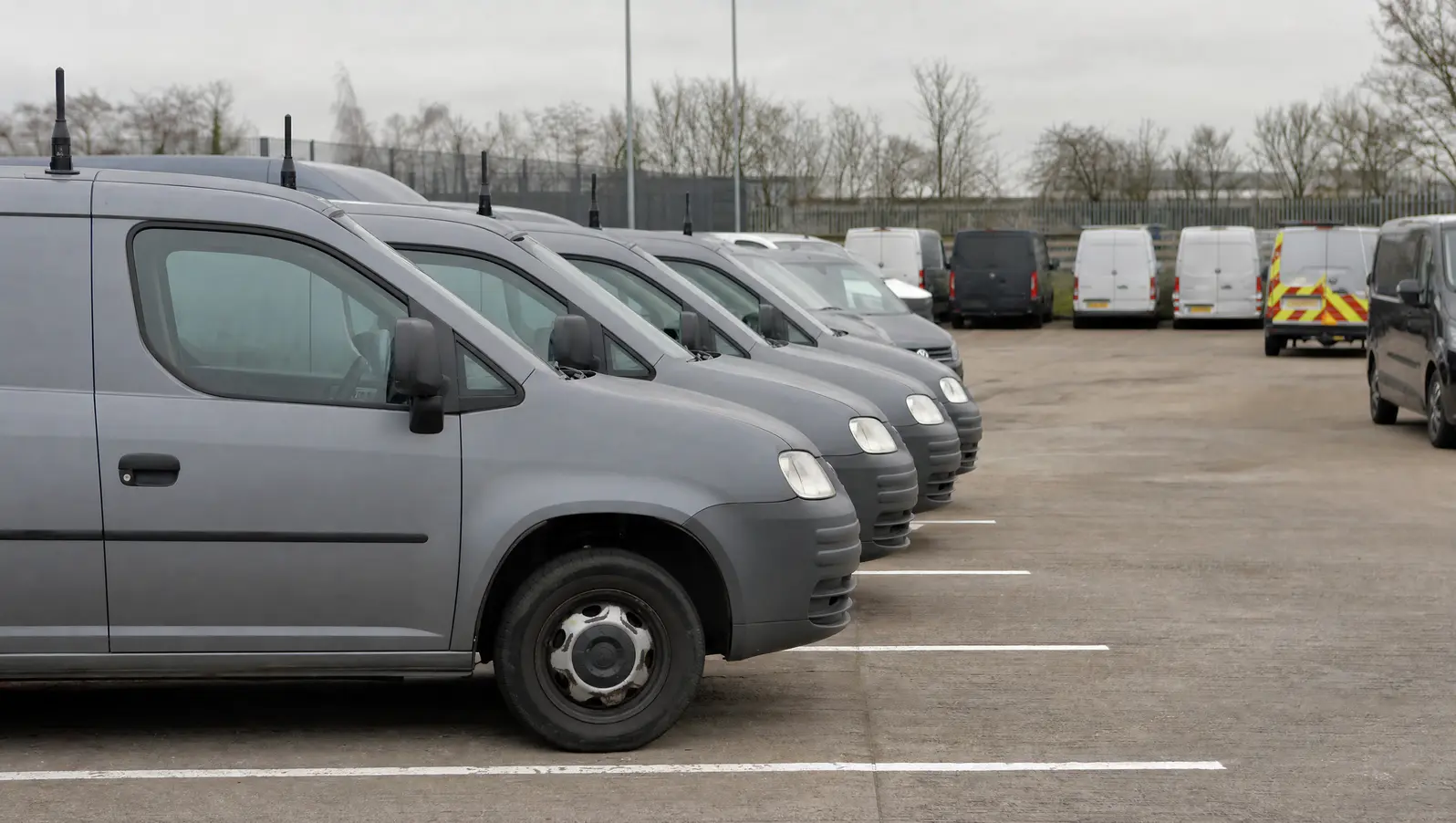
Why vehicle data enrichment matters for fleets
Your fleet system knows where every vehicle is, and your ERP, payment provider and battery vendor often know why it matters. Vehicle data enrichment joins that context to the telemetry, so decisions rest on the full picture.
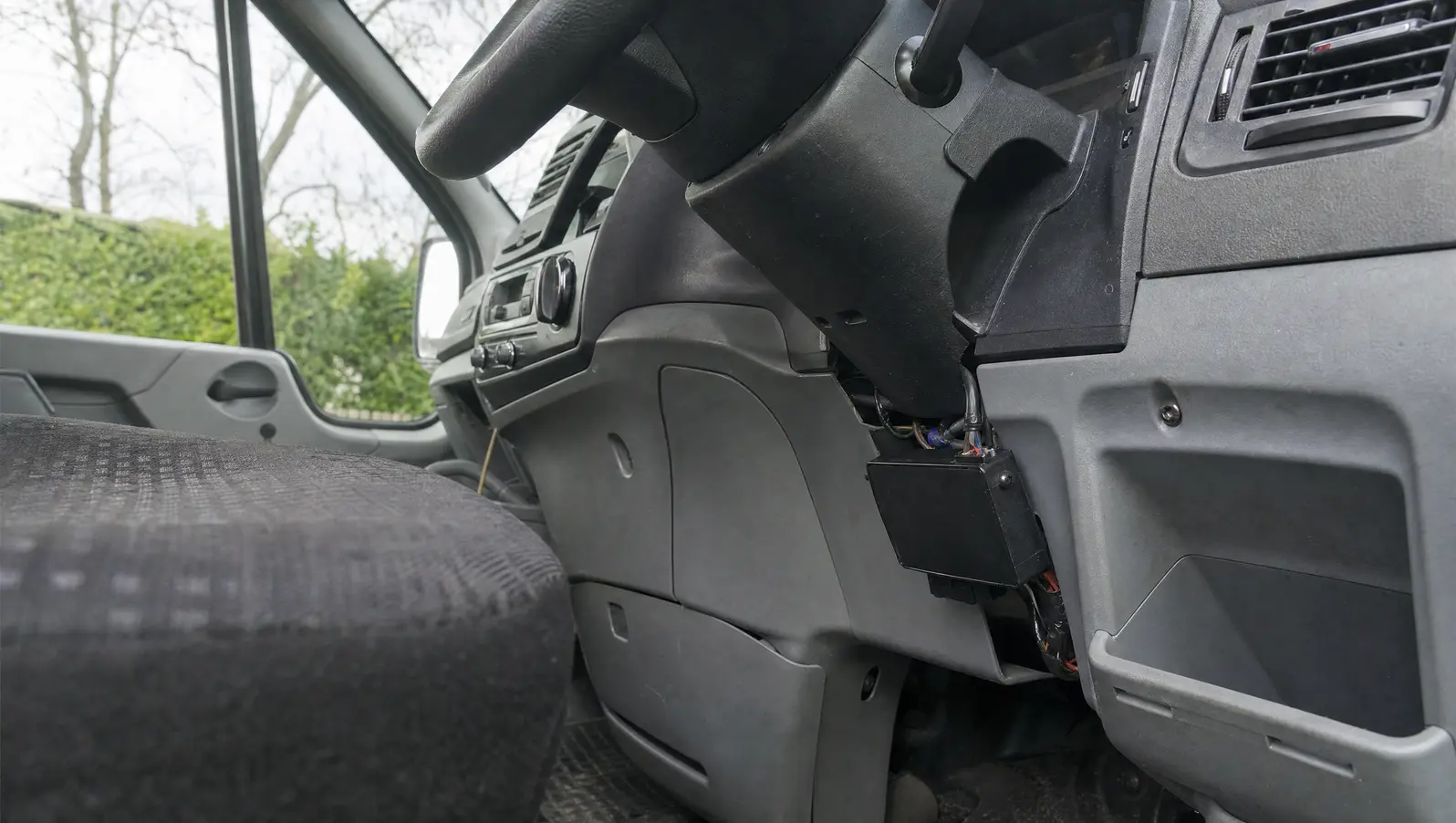
The Best GPS Tracker Is the One That Fits Your Fleet
The right GPS tracker for your fleet is a matter of fit rather than brand. What decides whether telematics works is how well the device matches your region, industry and workflows, and whether the software behind it can absorb the hardware you already run.
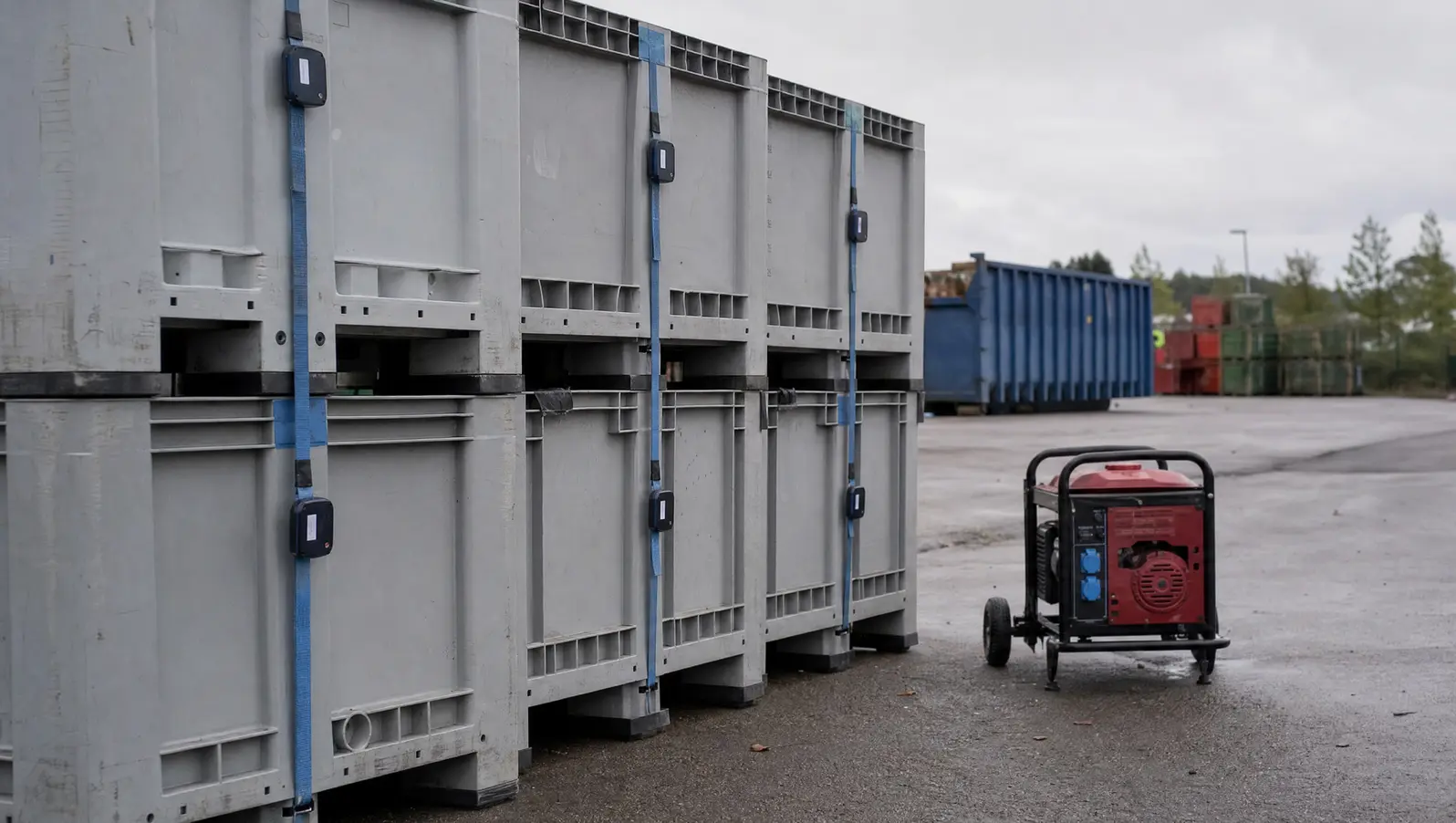
Reusable asset tracking with a pool of portable trackers
Not every asset needs a tracker bolted on for life. A shared pool of portable devices, assigned per rental, shipment or project, keeps temporary and unpowered assets visible without a device per asset, and gives resellers a recurring service to sell.
Why default trip rules misread some fleets
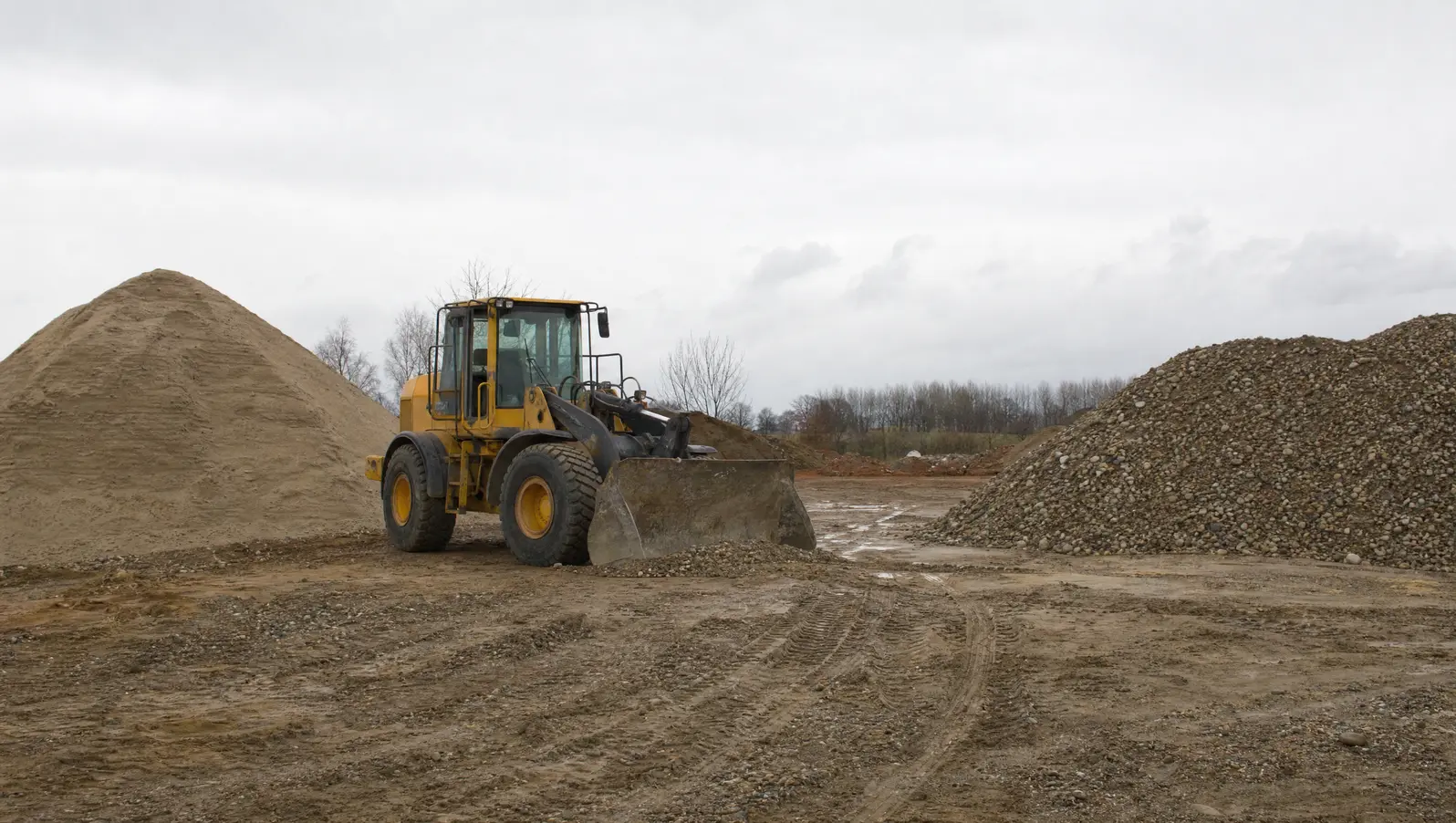
Default trip rules assume a road fleet that moves between places and stops for a while. Crawling construction gear and courier runs with dozens of brief stops break those assumptions, and every report built on trips inherits the error.
A missing tracker signal is not a missing asset
When a tracker stops reporting, the silence is ambiguous: the vehicle may have moved, the device may have failed, or coverage may have dropped. A practical guide to separating real events from monitoring gaps and routing the right evidence to the right team.

Air quality alerts that reach your dispatchers before restrictions do
When a city declares an air quality contingency, vehicle availability can change overnight. Combining live vehicle position with public environmental data gives dispatchers an earlier window to re-plan before the next shift starts.