By the RAAD team
The shelf life of a custom CAN bus profile
Listen to this article
A custom CAN bus profile typically stays exclusive for six to eighteen months, so plan on roughly a year before the adapter vendor ships the same decoding in a general firmware release. The margin that lasts sits in the verified install, the normalized data and the service rules built on those numbers.
What a CAN bus profile actually is
A CAN bus profile is a decoding configuration. It tells a telematics terminal which messages on a vehicle's data bus carry which parameters, and how to turn raw bytes into real values.
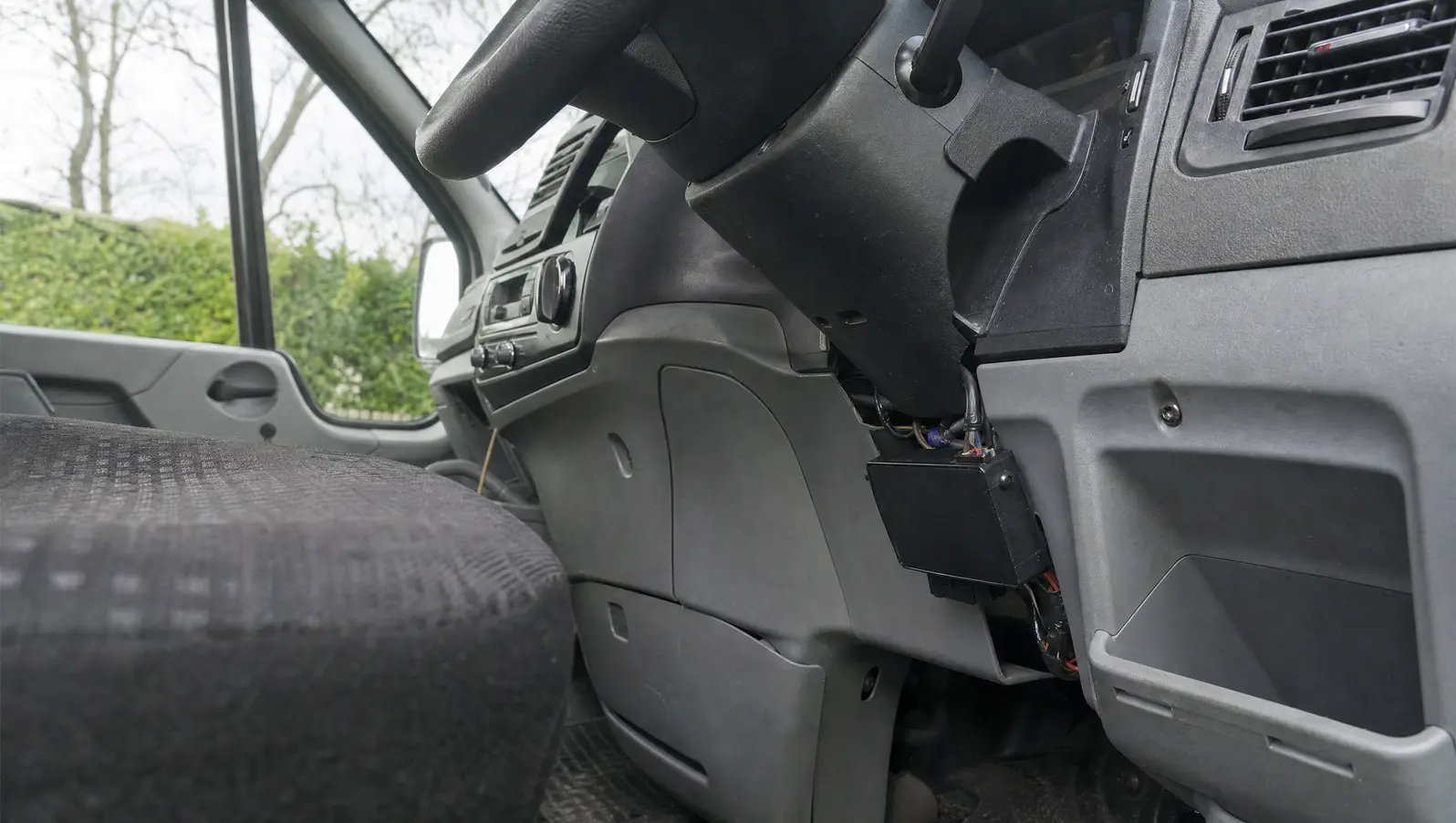
Modern vehicles run a CAN bus: a shared data line on which the electronic control units exchange numbered messages. A tracking terminal plugged into it cannot simply read the engine. It has to know which message carries engine speed, where that field sits inside the frame, and which factor converts the bytes into a usable number. Engineers save that knowledge as a configuration file, the profile, and the adapter's own code stays untouched.
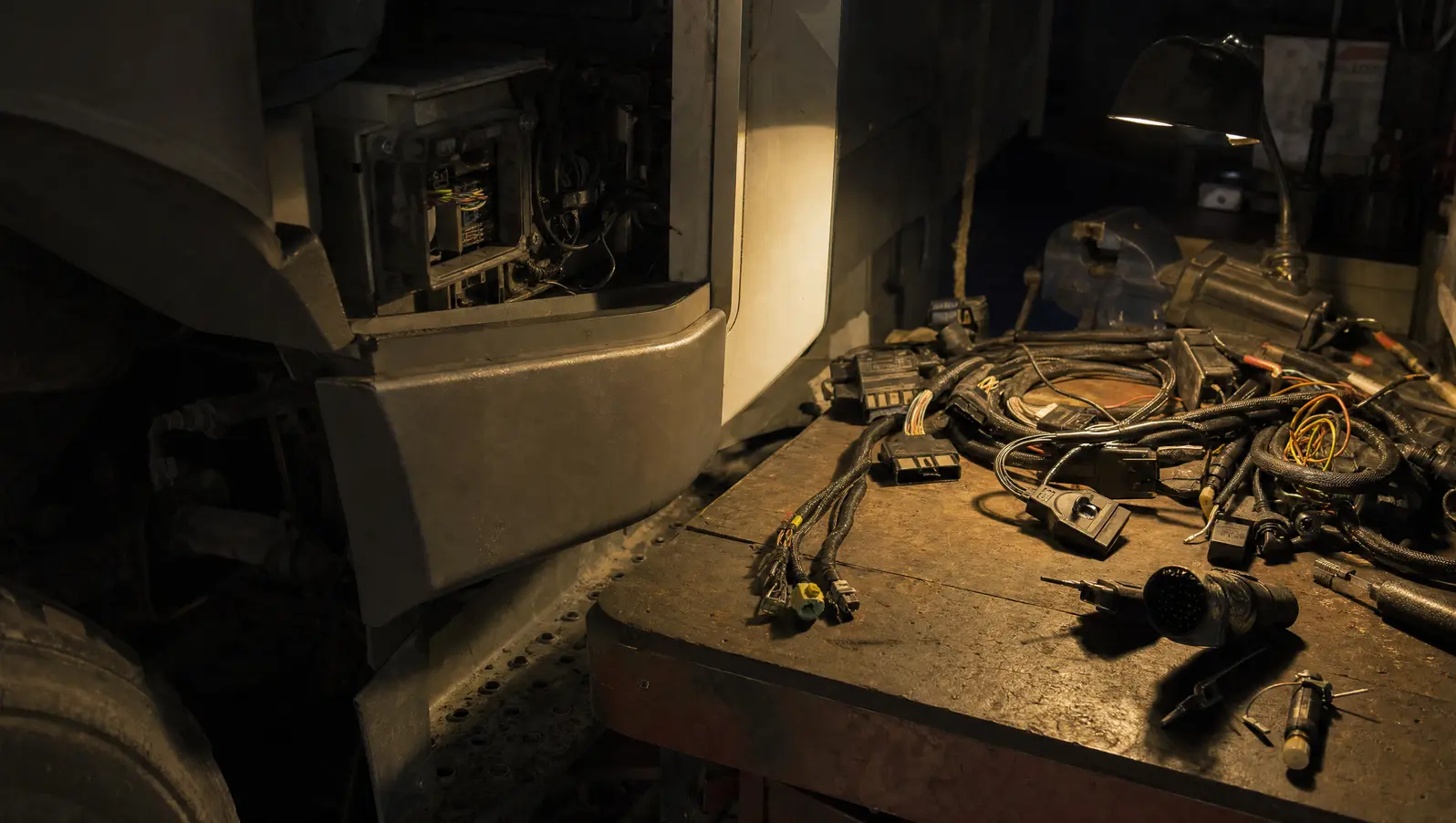
Manufacturers rarely publish this documentation, so engineers build the file by reverse engineering: record the bus traffic, change one thing on the truck, and match the messages that shifted to the change. The method works, but it is slow, and each profile fits exactly one vehicle configuration.
Take two tractors of the same class from different makers. The message ID for engine speed, its position in the frame and its conversion factor will all differ, so the same parameter gives different answers and you end up maintaining two profiles instead of one. That is why a support claim depends on a library of profiles rather than a brand name.
Why the decoding edge is temporary
A profile you decoded yourself is a wasting asset. Adapter vendors are reverse engineering the same vehicles in parallel and rolling the results into their general firmware.
The vendor's incentive is coverage. Every new profile widens the range of vehicles the hardware can serve, so the work never stops. Once a profile lands in a general release, every provider running a compatible adapter receives it through a firmware-over-the-air update, known as FOTA: new firmware pushed to the device over the mobile network, without a workshop visit.
In practice the exclusivity window runs roughly six to eighteen months, and a year is the sensible planning assumption. After the release, the decode no longer separates your service from a competitor running the same hardware, so the reverse-engineering cost must have paid for itself by then.
Coverage is counted per configuration rather than per brand
A coverage roadmap built on brand names will overstate what you can actually connect, because coverage counts per vehicle configuration.
Configuration means the chassis code, the destination market and the emissions class of the specific truck in front of you. One tractor family alone can need a dozen or more separate profiles across its generations and variants, so a single catalog entry never means the brand is supported. If you are buying tracking for a mixed fleet, or reselling it, ask for the profile list against your actual chassis rather than the badge on the grille.
The planning mistake is treating a proprietary profile as durable. The margin you earn on that one configuration has to cover the engineering cost before the profile reaches general firmware. Everything earned after that date is work a competitor receives for free.
What a firmware update commoditizes
Once a profile ships in general firmware, the acquisition layer stops setting providers apart. Only the usage layer still does.
Getting vehicle data into a telematics system splits into three layers. Acquisition is the adapter or terminal decoding bus messages into finished values. The profile is the decoding configuration for one vehicle configuration, usually listed in adapter catalogs as a program number. Usage is everything built on the finished values: normalization, installation verification, and the rules that turn a parameter into a decision such as a service booking.
| Layer | What it covers | Value after the profile reaches general firmware |
|---|---|---|
| Acquisition | Adapter or terminal decodes bus messages into finished values | Identical for every provider on compatible hardware |
| Profile | Message IDs, byte positions and conversion factors for one configuration | In the vendor's shared catalog, so it no longer separates providers |
| Usage | Normalization, install verification and service rules | Stays with the provider and keeps earning |
Treat the decode as a machine that depreciates and the rules as the asset that holds its value. Reverse engineering is still a legitimate way to bring a new configuration online ahead of the market, but the permanent advantage has to come from somewhere else.
Where the durable margin lives
The layer that keeps its value after the firmware update is the one RAAD is built around: what happens to the numbers once they arrive.
In this stack the adapter does the decoding and hands RAAD finished parameters, and RAAD takes over the hardware operators already run rather than replacing it. When an adapter vendor ships new profiles over FOTA, the set of vehicles that can join the same estate simply widens, and no vehicle needs a new box or a reinstall.
The rules are where decoded data earns its keep. In Track, geofences, rules, eco-driving scores and scheduled reports act on the parameters as they arrive. Power checks every fill against what the tank actually took, opens a case when fuel goes missing with the engine off, and keeps fuel and energy on the same ledger, so figures from the bus become entries you can act on rather than numbers on a dashboard. Maintenance and Documents carry the paperwork, with inspection reminders and document expiry, so the workshop conversation a parameter starts lands on a real schedule. AI Insights then reads every alert, holds back what does not need a person, and brings the rest with a reason and a proposed fix.
Installation verification stays the provider's work, and the habit is simple: change the parameter on the truck, whether that means engaging the equipment or opening a door, and watch the matching value move in the incoming data before you hand the vehicle back.
For partners who resell RAAD under their own brand, the commoditization of the decode layer works in their favor. Hardware vendors absorb the reverse-engineering cost, while the monthly recurring value sits in the operational layer the partner owns: rules, checks and reporting under their own logo and invoices.
A payback check before the next decode sprint
Before you commit engineering time to the next undocumented truck, size the payback against the likely firmware date.
- Pick the configuration you alone can decode today, and check the adapter vendor's release rhythm for that hardware family.
- Assume an exclusivity window of six to eighteen months and plan on a year.
- Estimate the margin from projects on that configuration inside the window.
- Weigh that margin against the cost of the reverse-engineering effort.
- Verify the install and the rules: confirm which attributes arrive, which rule fires on them, and that the value visibly moves when the parameter changes on the truck.
- Write the offer that survives the update in operational terms, as normalized attributes, a verified install and a clear service rule, because those assets keep earning after the profile becomes common.
Common questions
How long does a decoded profile stay exclusive?
Typically six to eighteen months, depending on how quickly the adapter vendor ships general firmware for that hardware family, and a year is the working assumption to plan with. After the release, every provider on compatible adapters receives the same decode over FOTA.
Is reverse engineering a CAN bus still worth doing?
Yes, when the configuration matters commercially and the payback lands inside the exclusivity window. It buys an early start on a vehicle competitors cannot yet read, and the advantage ends when general firmware ships, so size the effort against the margin it opens up.
What happens when the vendor ships the same profile?
Nothing breaks. The hardware keeps running, the data keeps arriving, and competition shifts to the rules, checks and reports built on top. Providers who invested in that layer keep their margin; providers who had only the decode lose theirs.
Can we keep our existing terminals and adapters?
Yes. RAAD takes over the hardware operators already run rather than replacing it, so the adapter keeps decoding the bus and hands RAAD the finished parameters. A vendor firmware update widens coverage without touching the installation.
One platform for every connected asset
Tracking, power, cameras, metering and compliance in one console — resold under your own brand and billed by you.
Explore the RAAD platform